



ISLAMABAD: The UN General Assembly has unanimously adopted a landmark, Pakistan-led resolution on access to assistive technology, aiming to make life-changing products, devices, and related services more accessible and affordable, particularly in developing countries.
The resolution, titled “Access to Assistive Technology,” was adopted by consensus on Sept 2, marking the first-ever UN resolution dedicated to the issue, according to the Permanent Mission of Pakistan to the United Nations.
The initiative was drafted and negotiated by Counselor Saima Saleem, Pakistan’s first visually impaired career diplomat and a user of assistive technology.
According to the mission, her involvement brought a lived perspective to the initiative, highlighting how access to technology can translate into independence, opportunity and equal participation.
Billions need assistive products
Introducing the resolution, Pakistan’s Permanent Representative to the UN, Ambassador Asim Iftikhar Ahmad, said around 2.5 billion people worldwide need one or more assistive products, devices or related services, while millions remain without adequate access.
He said, “Barriers including affordability, availability, access to technology, inadequate infrastructure and services, and shortages of trained personnel continue to prevent millions from benefiting from assistive technology.”
Assistive technology covers a wide range of products and services, including wheelchairs, prosthetic limbs, hearing aids, communication devices, screen readers and other digital solutions.

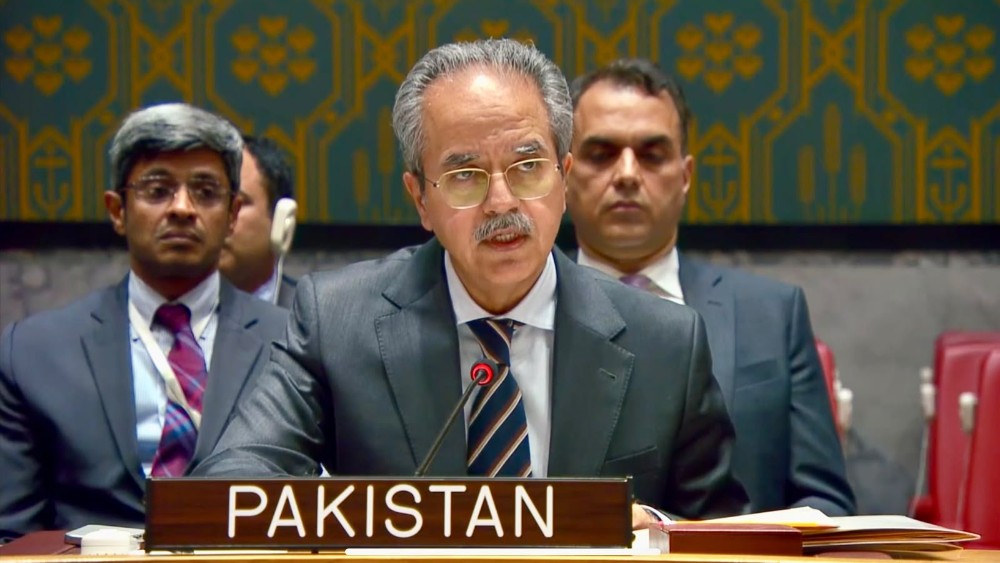
“These are not simply products or devices, but the means that can serve as ‘the bridge between dependence and independence; between exclusion and participation; between potential and opportunity,’” Asim said.
He said that such technology could enable children to attend school, help adults work, allow older people to retain their independence and enable persons with disabilities and certain health conditions to participate more fully in society.
Resolution links technology with development
Ambassador Asim said the resolution places access to assistive technology within the broader development and inclusion agenda, recognizing its links with education, employment, health, social protection and meaningful participation in society.
The resolution calls for sustainable access to quality, affordable assistive technology and encourages countries to develop national strategies and priority lists of assistive products.
It also promotes research and innovation, stronger data collection and appropriate procurement systems while emphasizing the meaningful participation of people who use and benefit from assistive technology.
The Pakistani envoy said the resolution further calls for strengthened international cooperation, financing and technical assistance, particularly for countries facing resource and capacity constraints.
Assistive technology in crises
The resolution recognizes that the need for assistive technology continues during emergencies and calls for its systematic inclusion in humanitarian preparedness and response, including situations involving armed conflict and disasters.
Access to technology can translate into independence, opportunity and equal participation.
A screen reader, for example, can enable a blind person to access education, information and employment through a computer or smartphone.
Similarly, wheelchairs can facilitate access to schools and workplaces, while hearing aids and prosthetic limbs can improve communication, mobility and independence.
Pakistan’s longstanding role
Pakistan has maintained a longstanding role in advancing the issue at the international level and initiated World Health Assembly Resolution 71.8 on improving access to assistive technology, which was adopted by consensus in 2018.
The new General Assembly resolution is conceived as a one-time resolution in line with the spirit of the UN80 initiative and broadens the issue beyond any single sector.
The Permanent Mission said the consensus adoption reflects broad international recognition that access to assistive technology is a cross-cutting development priority.
“The consensual adoption reflects broad international recognition of a simple principle at the heart of the initiative: technology fulfils its greatest purpose when it expands human possibility,” it said.
The resolution ultimately seeks to advance dignity, choice and independence and ensure that people’s potential is not constrained simply because enabling technology remains beyond their reach.