


ISLAMABAD: Around the world, motorists, businesses, farmers and governments are feeling the impact of a global diesel and petrol supply squeeze, driven by disruptions linked to the war involving Iran, attacks on energy infrastructure, refinery problems and uncertainty over oil shipments through the Strait of Hormuz.
The crisis has moved far beyond the Middle East, pushing fuel prices to record or near-record levels in Europe, Asia and North America.
International Energy Agency chief Fatih Birol described the disruption as potentially the world's biggest-ever energy crisis.
Oil and gas markets are facing “big difficulties,” he said.
According to Global Petrol Prices, Hong Kong has the highest fuel price. Fossil fuels are costlier in most American and European countries than in other Asian countries.
Bangladesh: South Asian economy under pressure
Bangladesh has raised fuel prices by up to 17.4%, international wire agencies reported.
The increase comes as Bangladesh struggles simultaneously with higher international oil prices, shipping costs and shortages of electricity and gas.
News agencies reported that gas shortages have contributed to power disruptions and forced some factories to reduce or halt production.
Britain: Diesel becomes a business crisis
In Britain, the effect is particularly visible in diesel prices.
The Guardian reported on Sept 21 that the average UK diesel price had climbed 54% to 196.28 pence per liter since the Middle East crisis began.
The newspaper quoted British handyman Jon Barden as saying that about half his day's pay now goes toward filling his vehicle.
France: Record diesel prices
The Eastern Herald reported that French diesel prices exceeded €2.41 per liter, setting a national record for the second consecutive day.
Across the European Union, average diesel prices reached about €2.16 per liter, while petrol stood at around €2.06, both record levels in the European Commission's data series dating back to 2005.
Dutch drivers cross border for cheaper fuel
According to a Viory report, Dutch motorists have been crossing into Belgium to escape record fuel prices at home, turning border towns such as Turnhout into cheaper filling points.
Petrol can cost more than 60 cents less per liter across the border, meaning drivers can save more than €30 on a 50-liter tank.
Dutch average recommended prices stood at €2.71 per liter for Euro 95 petrol and €2.82 for diesel on Sunday.
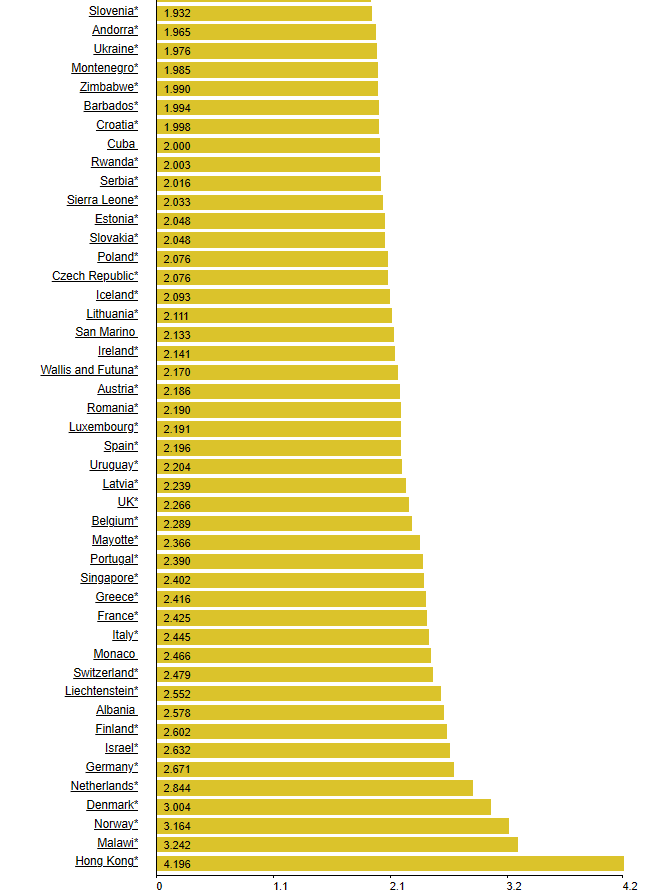 Petrol prices are too high in European and American countries (Source: globalpetrolprices.com)
Indonesia: Kilometer-long lines
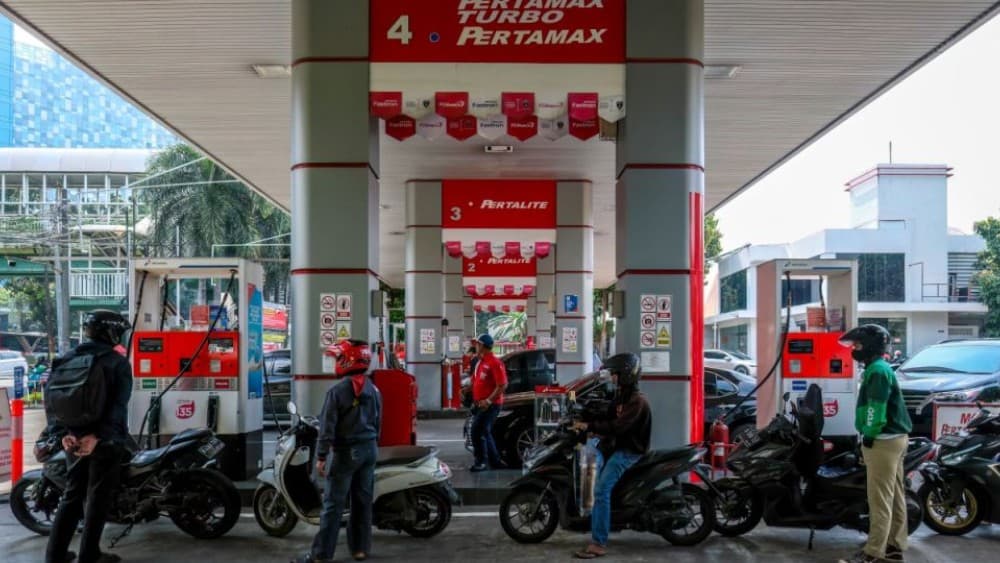
Indonesia is yet another Asian country badly affected by the fuel crisis.
Queues at petrol pumps stretching as far as one kilometer are a common sight in the country's major cities.
Motorists, bike riders and other drivers have to wait for hours for their turn to get a few liters of petrol.
Nepal: No gas refills
On Sept 10, students in Kathmandu cooked rice over firewood outside the schools to protest the fuel price spike.
Nepal’s supplies minister resigned on the same day amid the cooking gas supply crisis.
Bottling plants in the Kathmandu Valley were delivering just 5% of the 35,000 to 40,000 cylinders the capital needs each day, the Federation of Nepal Gas Distributors told the Kathmandu Post.
Restaurants say they are close to shutting down, and the Kathmandu Post describes residents cutting back on food.
United States: Even the world's energy giant feels the shock
The United States is also experiencing the impact.
Wire agencies reported on Sept 21 that US retail diesel prices had crossed $6 per gallon for the first time, despite American refineries operating at exceptionally high levels.
US diesel inventories remain significantly below the seasonal average, illustrating the central problem: the crisis is increasingly about the availability of refined fuel, not simply crude oil.
Canada: Heavy dependence on diesel
On Sept 17, diesel prices across Canada reached a new all-time high of $2.75 per liter, according to Kalibrate Analytics.
But it’s not just diesel drivers who’ll feel the pinch; everyone's wallet is affected.
Canada relies heavily on diesel to transport everything from groceries and furniture to electronics, so rising global diesel prices are affecting all Canadians.
Hong Kong: Most expensive fuel
Hong Kong has the world's most expensive fuel prices, with petrol selling at $4.19 per liter.
Drivers with cross-border licenses are increasingly driving into mainland China to fill their tanks, where fuel costs roughly one-third of Hong Kong's prices.
Scandinavia: No fuel shortages
Scandinavian countries are also facing rising fuel costs and supply anxieties, though systemic shortages at standard retail pumps remain absent.
The Swedish government issued an alert about a potential future jet fuel deficit, while Norway faces fuel reserves covering only 20 days after a 2007 readiness reduction.
Diesel prices in Denmark have hit a record high of 19.19 DKK per liter, according to a Nordic newspaper, Scand Asia.
Pakistan: Austerity drive
Pakistan implemented a nationwide austerity and energy conservation campaign in September.
The austerity measures include a 50% reduction in fuel allocations for government vehicles, a ban on purchasing new government vehicles, and restrictions on official foreign visits, domestic travel for meetings, and official dinners, along with a 5% across-the-board reduction in non-employee-related government expenditures.
Measures also include closing shops and markets by 9 p.m., banquet halls by 10 p.m., and restaurants by 11 p.m., with medical stores and laboratories exempted.
The Pakistan government also introduced a petrol subsidy of Rs100 per liter on a capped monthly quota for economically vulnerable vehicle owners, specifically motorcycles, rickshaws, and small cars up to 800 cc.