


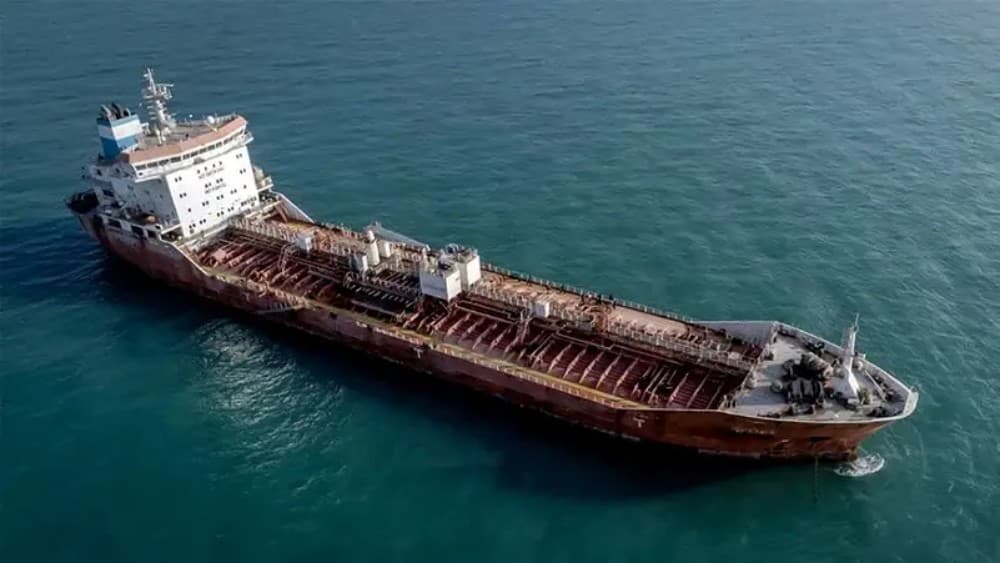
ISLAMABAD: The Russia-Ukraine war and the escalating Middle East crisis have disrupted global oil production, refining, and transportation, driving up international petroleum prices and putting additional pressure on fuel-importing countries, including Pakistan.
Ukrainian drone attacks are targeting Russia’s energy infrastructure, disrupting refinery operations and reducing the availability of refined petroleum products.
Meanwhile, the US-Iran war is also sending shockwaves through oil production and transportation.
Simultaneous pressure on Russian refineries, the Strait of Hormuz and, lately, Bab el-Mandeb has created a particularly dangerous combination for global energy markets.
Pakistan, a major oil importer from Gulf countries, has been forced to raise petroleum prices in line with international fuel rates.
Pakistan’s former secretary of Petroleum, Dr Gul Faraz, explained that the international situation always affects logistics, driving up oil prices.
“Both long- and short-term effects always exist in such situations, and importing countries like Pakistan are always at the suffering end,” he said, while speaking with Pakistan TV Digital.
Trump asks Zelensky to spare Russian refineries
US President Donald Trump has urged Ukrainian President Volodymyr Zelensky to stop attacks on Russian oil refineries and diesel infrastructure, warning that the strikes are contributing to a global fuel shortage.
Trump’s call comes as Ukrainian drone attacks increasingly target Russia’s energy infrastructure, disrupting refinery operations and reducing the availability of refined petroleum products.
US-Iran war adds to global oil shock
The Russia-Ukraine conflict, however, is only one part of the growing energy crisis.
The ongoing US-Iran war has disrupted oil production and transportation in the Middle East, sending fresh shockwaves through global energy markets, with the Strait of Hormuz becoming a major focus of concern.
The narrow waterway carries a substantial share of the world's seaborne oil and gas exports, so any prolonged disruption there pushes up global prices.
Bab el-Mandeb is another risk
The situation is further complicated by developments around the Bab el-Mandeb Strait, the strategic waterway linking the Red Sea with the Gulf of Aden.
Iran-backed Houthi forces in Yemen have repeatedly attacked commercial and energy-related shipping in the Red Sea during the wider regional conflict.
This has forced some shipping operators to avoid the Red Sea route, increasing sailing distances, fuel consumption, insurance costs and freight charges.
Oil prices rise
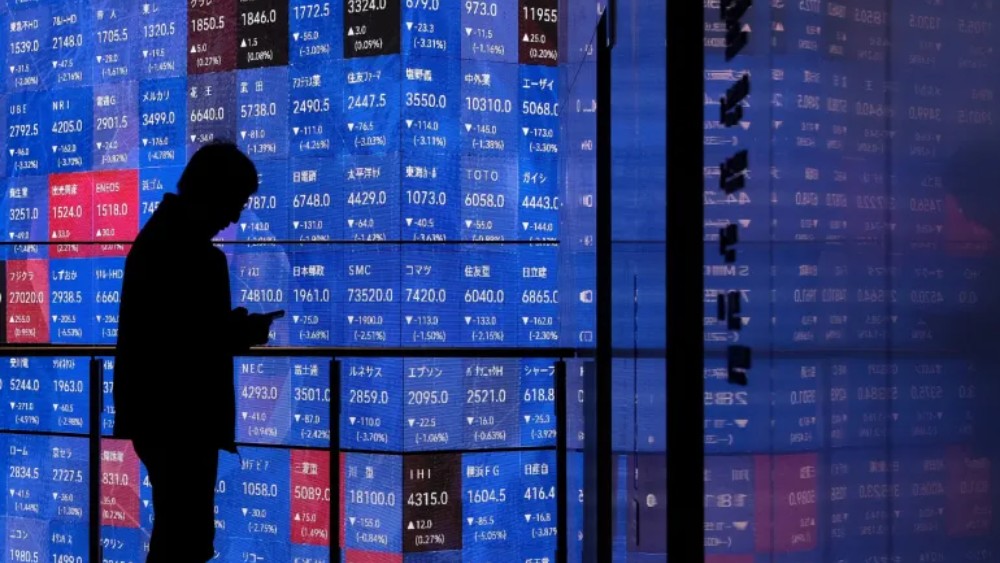
International oil prices have responded sharply to the supply concerns.
Brent crude has moved above $100 a barrel as traders factor in the possibility of prolonged disruptions to production, refining and transportation.
The problem is not simply the amount of crude oil available. A shortage of refined products such as diesel and disruptions to shipping routes can also push up the price paid by consumers.
This means even countries far from the conflict zones can face higher fuel costs.
Oil prices in Pakistan
Pakistan is particularly vulnerable because it depends heavily on imported petroleum products and crude oil to meet domestic energy requirements.
When international crude prices rise, Pakistan has to spend more dollars to import fuel. Higher freight, insurance, and transportation costs further increase the landed cost of petroleum products.
Under these circumstances, the government has little room to absorb the entire increase indefinitely.
Keeping domestic prices artificially low would mean that the government or state-owned oil companies would effectively have to absorb the difference, putting additional pressure on public finances and foreign exchange reserves.
Pakistan has therefore been forced to pass a significant portion of the international increase on to consumers through higher petroleum prices.
“Once both these conflicts, or at least one, fade away," says Dr Gul Faraz, "the energy prices scene will improve, and oil prices may drop considerably.”
Targeted fuel relief
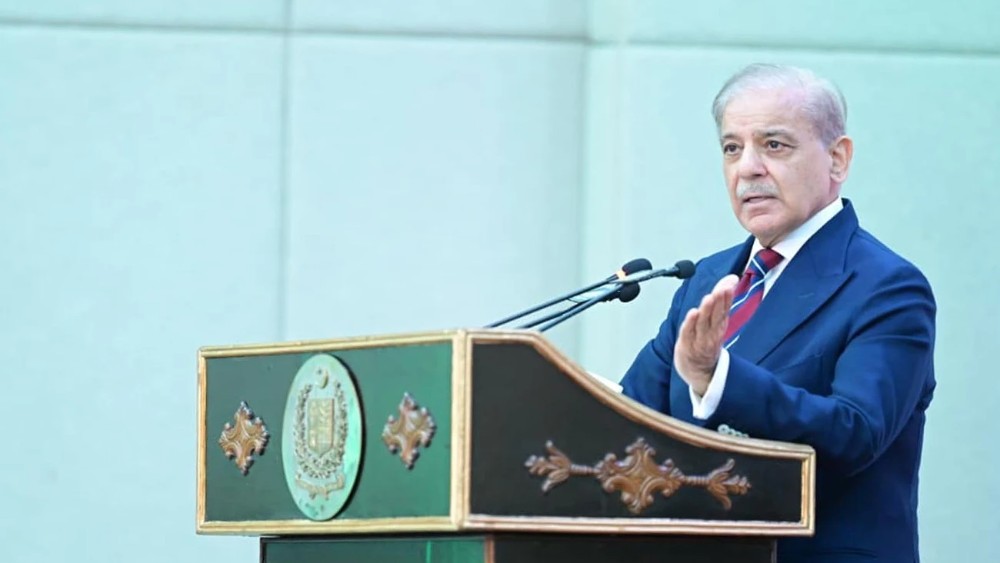
To cushion consumers from soaring fuel prices, Prime Minister Shehbaz Sharif announced a Rs 100-per-liter subsidy on petrol for motorcycles, rickshaws, qingqis and vehicles up to 800cc.
The scheme provides relief of 20 liters per month for two- and three-wheelers and 30 liters per month for small cars.