


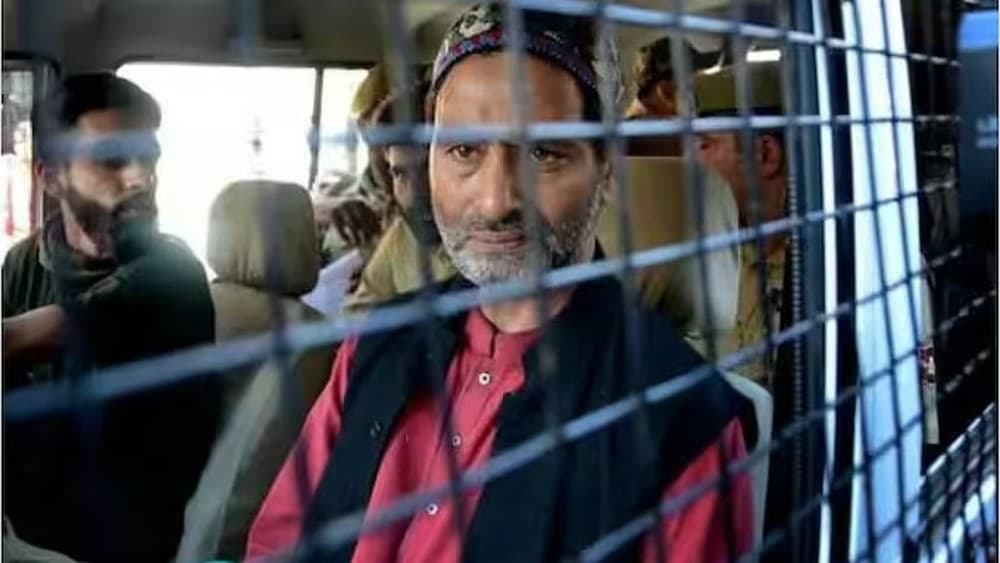
ISLAMABAD: Pakistan on Thursday condemned the "persecution" of jailed Hurriyat leader Yasin Malik, following reports of an affidavit he submitted in connection with a case dating back to 1990.
Malik, who is the chairman of the Jammu Kashmir Liberation Front (JKLF), was named by India’s State Investigation Agency (SIA) as one of five men charge-sheeted for the 1990 killing of Kashmiri Pandit nurse Sarla Bhat.
Speaking at the weekly press briefing in Islamabad, Foreign Office Spokesperson Sajjad Haider Khan said Malik's stance "is heroic", describing it as "a damning indictment" of the Indian judicial system, which is used to suppress the Kashmiri leadership and its cause.
“We have seen the reports on the affidavit submitted by the Hurriyat leader Yassin Malik in connection with a trumped-up charge dating back to 1990,” he added.
According to Malik's affidavit, SIA officials questioned him in Tihar Jail on June 2 and 3 regarding an alleged handwritten JKLF note recovered from the scene and the prosecution's allegation that he had ordered Bhat's killing.
Malik rejected the prosecution's account and disputed the alleged JKLF note, as well as the claim that Bhat was targeted for allegedly providing information to security forces.
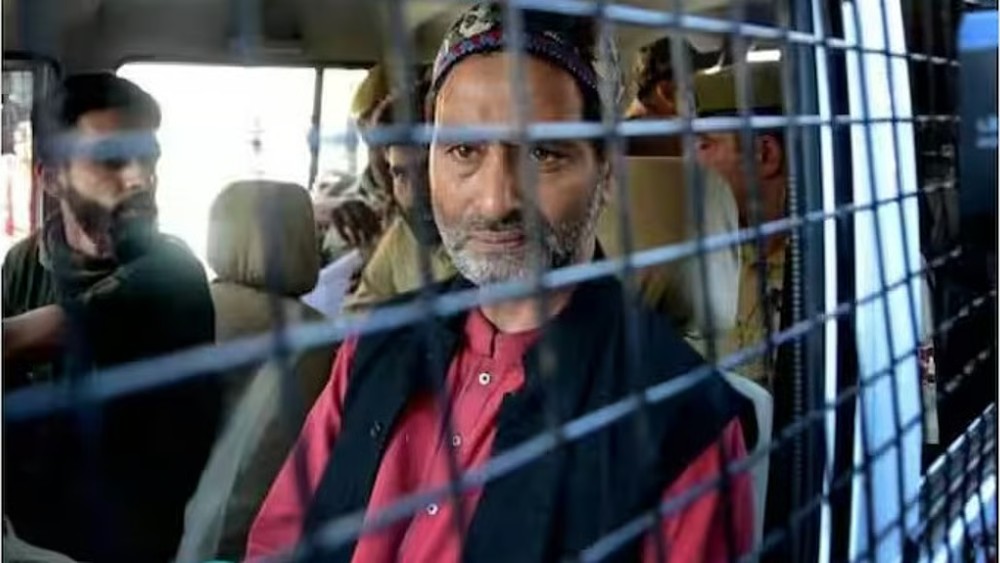
The spokesperson said Malik's deteriorating health was “well documented” and a matter of serious concern, and called the international community must not allow the Indian design to mortgage his life and well-being to advance its oppressive occupation of the Indian Illegally Occupied Jammu and Kashmir (IIOJK).
"Pakistan condemns and categorically rejects this persecution of Yasin Malik," he said, urging the United Nations and international human rights bodies to take note of his case, his health, and the systematic denial of fundamental rights in the region.
Earlier, jailed Kashmiri leader Yasin Malik told an Indian court that he will no longer contest proceedings in the murder case of a nurse and has requested capital punishment, Indian and Kashmiri media reported.
The case has intensified concerns over human rights, judicial fairness, and the treatment of Kashmiri political leaders, prompting calls for international attention, accountability, and protection of fundamental rights.