


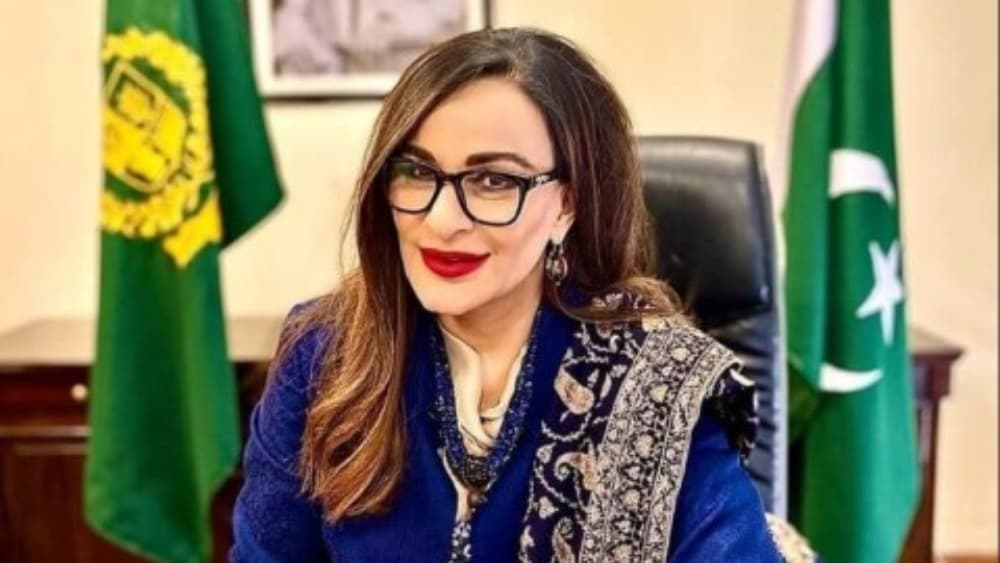
ISLAMABAD: Pakistan People’s Party (PPP) Parliamentary leader in the country’s Upper House, the Senate, Sherry Rehman said the country has emerged in recent years as a regional stabilizer beyond South Asia.
Speaking to Russia Today (RT) correspondent Anastasia Volodina, Sherry Rehman said Pakistan is seen as a builder of bridges and pathways to political and geostrategic connectivity, as well as economic connectivity.
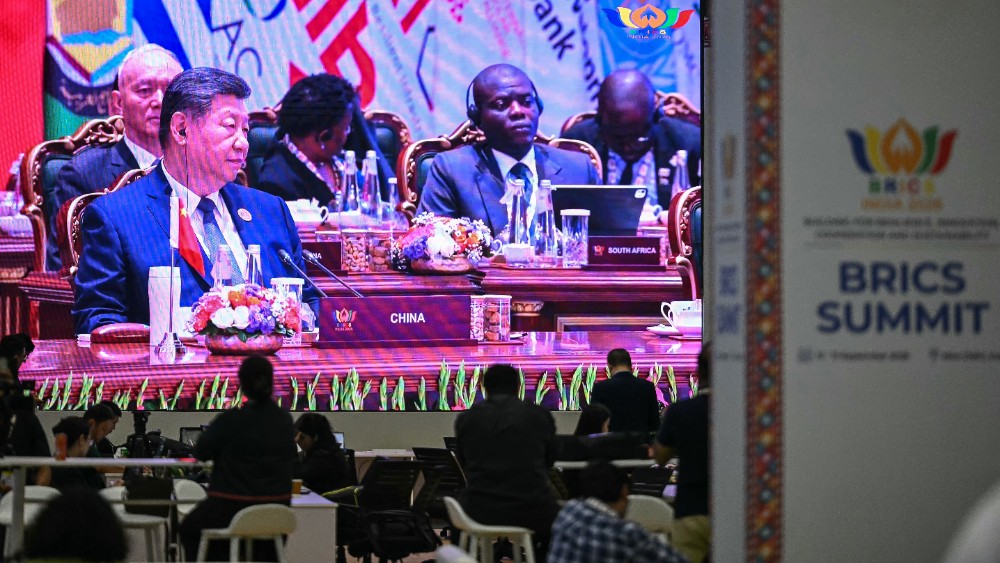
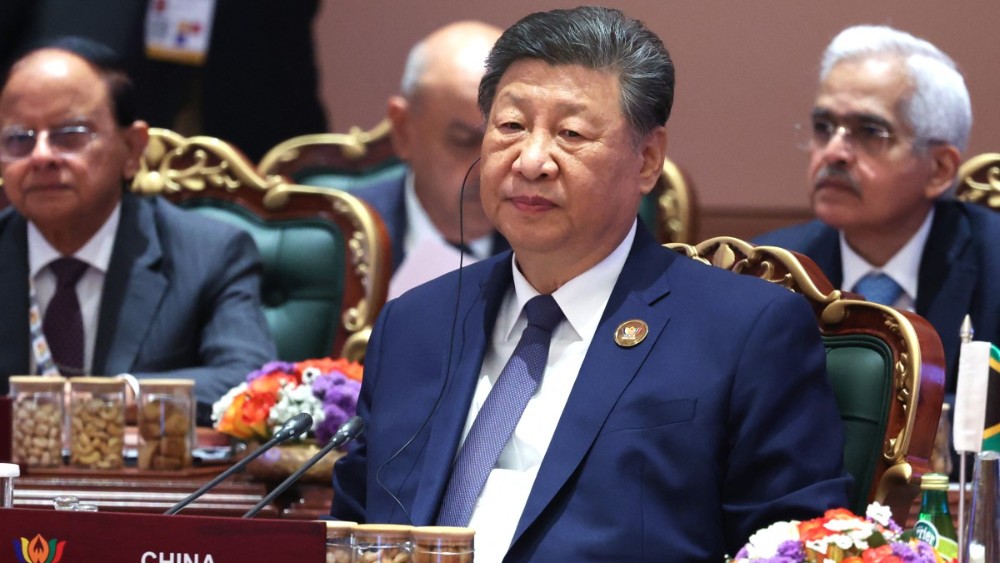
“So, this kind of alliance is the future, in our view, and we also see ourselves as net gainers in any growing regional forums where other countries bring their assets to the table and trade with each other," explained the Pakistani politician when asked about the country’s membership in BRICS.
Pakistan applied to join BRICS in 2023.
Asked about the Indus Water Treaty (IWT) between India and Pakistan, she said that Islamabad considers the IWT a key international framework for transboundary water management and dispute resolution.
Sherry Rehman further said that Pakistan supports legal mechanisms and international law to protect its water interests.
The Indus Waters Treaty (IWT) is a water-distribution treaty signed between India and Pakistan in 1960 governing the use of water in the Indus River system within the two countries' territories.
India unilaterally suspended the treaty in April 2025, a move the Permanent Court of Arbitration (PCA) in The Hague recently rejected.
“Pakistan strongly opposes unilateral suspension or alteration of treaty obligations,” said Sherry Rehman, also chairperson of the Senate Committee on Climate Change.
Will pursue all available legal avenues
Answering questions from the RT correspondent, the PPP leader said Pakistan seeks a peaceful resolution and does not want water to become a source of conflict with its neighbor, India.
She further said that Pakistan would pursue all available legal avenues on water issues with India.
Asked about India’s reaction to the Hague decision on IWT, Sherry Rehman said India's rejection is inexplicable and hard to understand because treaties on transboundary waters worldwide regulate and adjudicate water-sharing under law.
“So, we are looking at a series of legal approaches. And we have seen that the treaty itself provides for different legal approaches,” was how she responded when asked about Pakistan’s next move after the decision from The Hague.
Makkah defense alliance
Asked about the Makkah pact between Islamabad, Jeddah and Ankara, Sherry Rehman said the security environment in the region is rapidly changing, and these three countries already have very strong bilateral and strategic relationships.
“So, we have really moved these up, amped them up or amplified them into a more structured framework, which should focus on collective deterrence, consultation and defense cooperation,” she explained.
The Pakistani senator added that the trilateral framework is defensive and aimed at regional stability.
On Russia
Rehman said that Pakistan looks forward to a mutually beneficial partnership with Russia as a way forward in the 21st century.
“We are a growing country, and Russia has considerable capacity, global capacity in the energy sector, while connectivity also is one of our landmark pillars for growth and stability in the region and Eurasia,” she added.
The two countries are expanding and moving beyond historic limitations in the relationship and beyond cold world binaries, investing in getting to know each other at a people-to-people level, the senator added.