


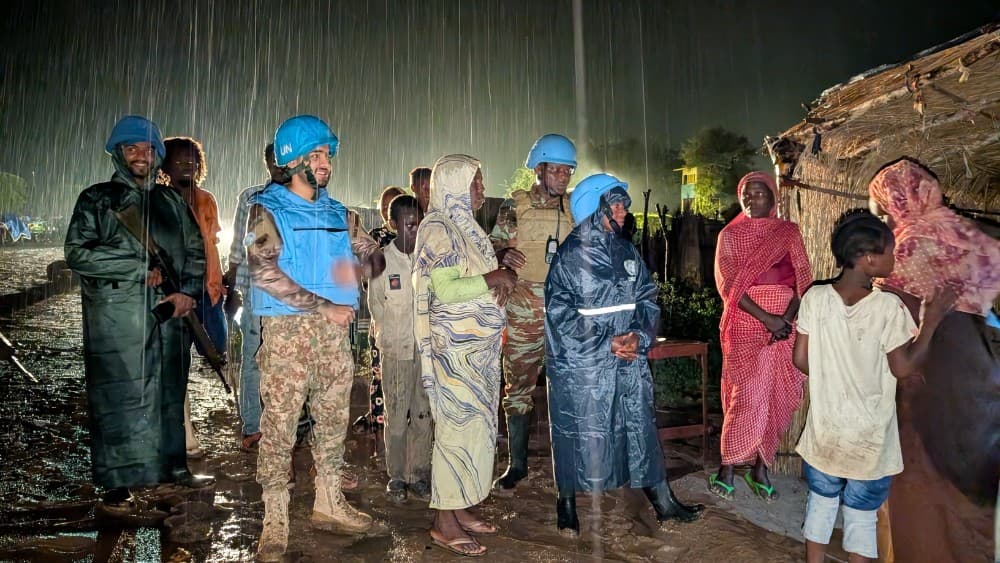
ISLAMABAD: Pakistani peacekeeping troops are assisting civilians amid tribal tensions and heavy rains in the disputed Abyei region between Sudan and South Sudan, according to a statement from the UN Interim Security Force for Abyei (UNISFA) posted on X.
The post showed pictures of Pakistan Army officers and troops helping Abyei residents recover stuck vehicles and rescuing those stranded along the Goli-Todach road.
Hundreds of Pakistan Army officers and troops serve as the Pakistani Battalion, an infantry peacekeeping contingent within the United Nations Interim Security Force for Abyei.
The Pakistani contingent operates alongside other primary forces, such as the Chinese Peacekeeping Forces and the Ghanaian Battalion, to support a total authorized UNISFA military force of 3,250 troops.
Situation in Abyei
Tensions are rising in the disputed Abyei region between Sudan and South Sudan, with the United Nations warning that renewed communal violence could threaten a fragile period of relative calm.
UNISFA said that tensions increased between the Ngok Dinka and Twic Dinka communities in southern Abyei, amid reports of armed youth mobilization.
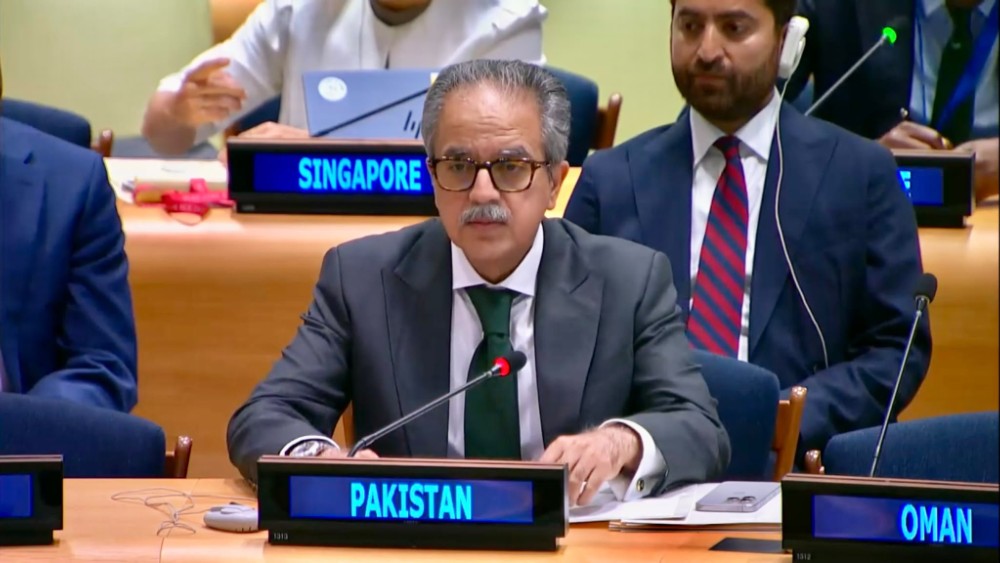
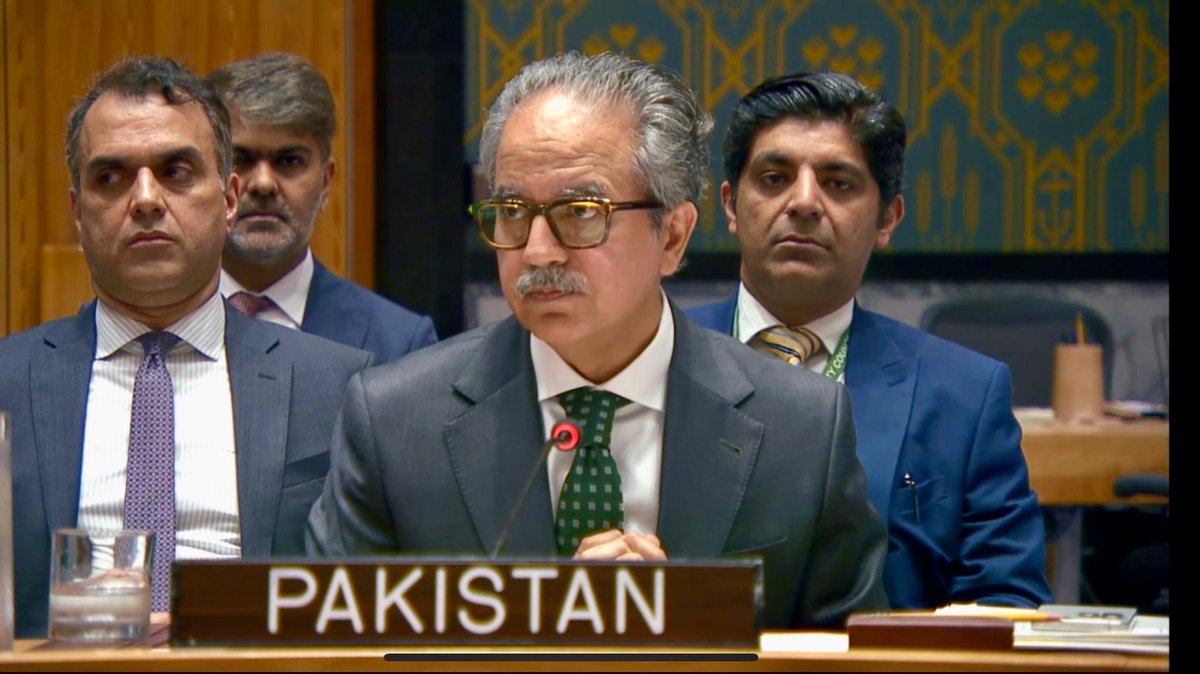
The mission has reinforced its presence and increased patrols and engagement with local communities to prevent further escalation.
The latest tensions follow a two-year conflict between the two communities that began in 2022 and caused civilian deaths, displacement, and widespread property destruction.
A peace conference in April 2025 helped reduce violence, but underlying disputes over land and territorial control remain unresolved.
Regional pressures
The war in Sudan and instability in South Sudan have complicated security conditions, while the political process to determine Abyei’s final status remains stalled.
UN officials have warned that unauthorized deployments by armed forces and continuing insecurity could undermine the territory’s demilitarized status.
Humanitarian conditions remain severe, with recent UN data putting acute malnutrition in Abyei at 23%.