

ISLAMABAD: Prime Minister Shehbaz Sharif on Saturday said Pakistan would continue to pursue peace and diplomacy while remaining prepared to defeat the "nefarious designs" of its enemies.
He said India of increasingly resorting to "covert tactics and the use of proxies" to undermine the country's stability, Radio Pakistan reported.
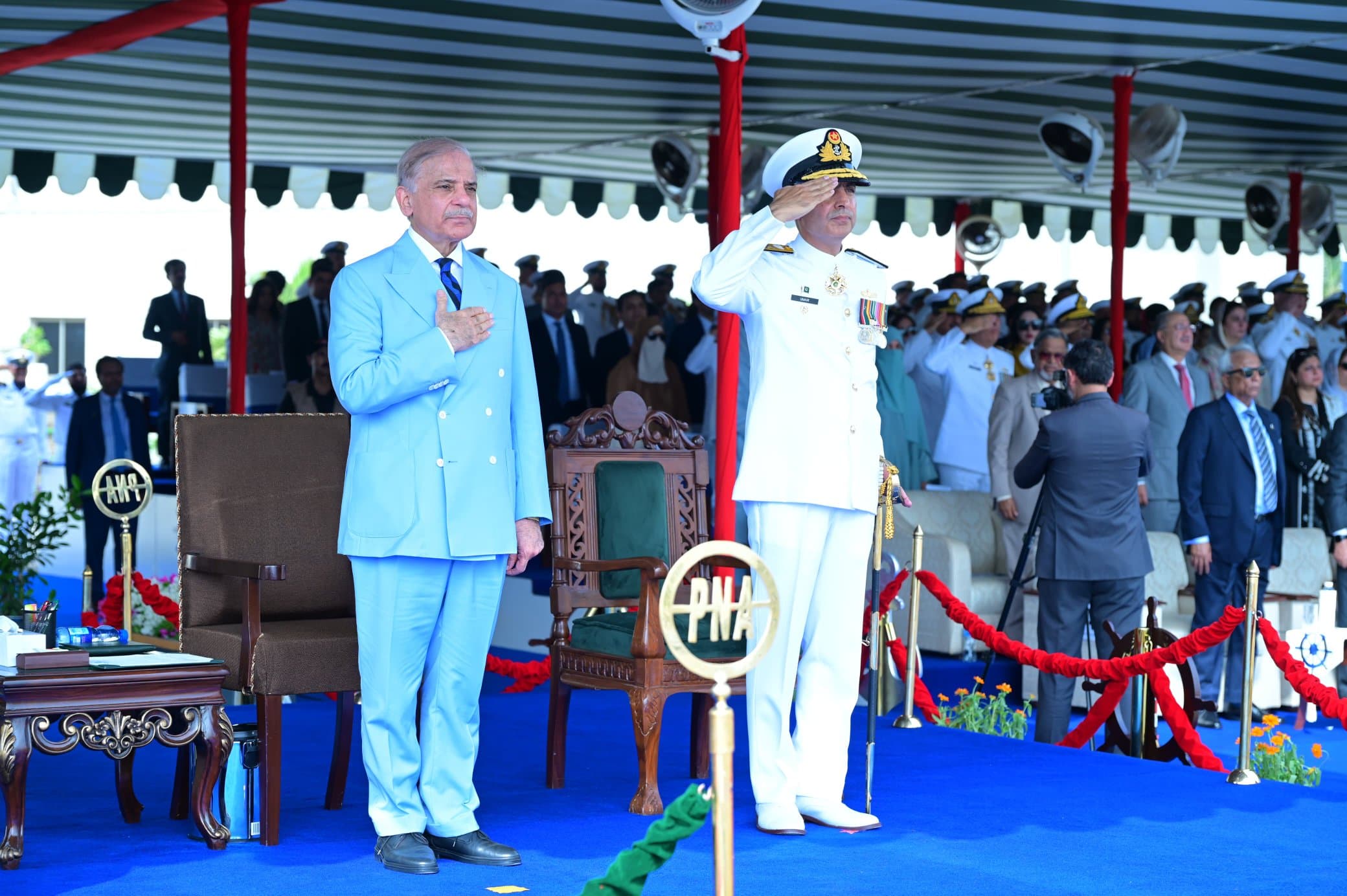
Addressing the passing-out parade of the 125th Midshipmen and 33rd Short Service Commission Course at the Pakistan Naval Academy in Karachi, the prime minister said Pakistan remained committed to regional peace while strengthening its defenses against evolving security challenges.
Security challenges
The premier said Pakistan was facing "conflicts and multi-faceted security challenges" from both international and internal threats.
"Our eastern neighbor, having suffered a humiliating defeat in the conflict in May last year, has increasingly resorted to covert tactics and the use of proxies in an attempt to undermine the hard-earned peace and stability in our country," he said.
"At the same time, our valiant armed forces continue to confront the menace of foreign-sponsored terrorism emanating from our western borders. The entire Pakistani nation stands shoulder-to-shoulder with its brave armed forces."
Pakistan's role in regional peace
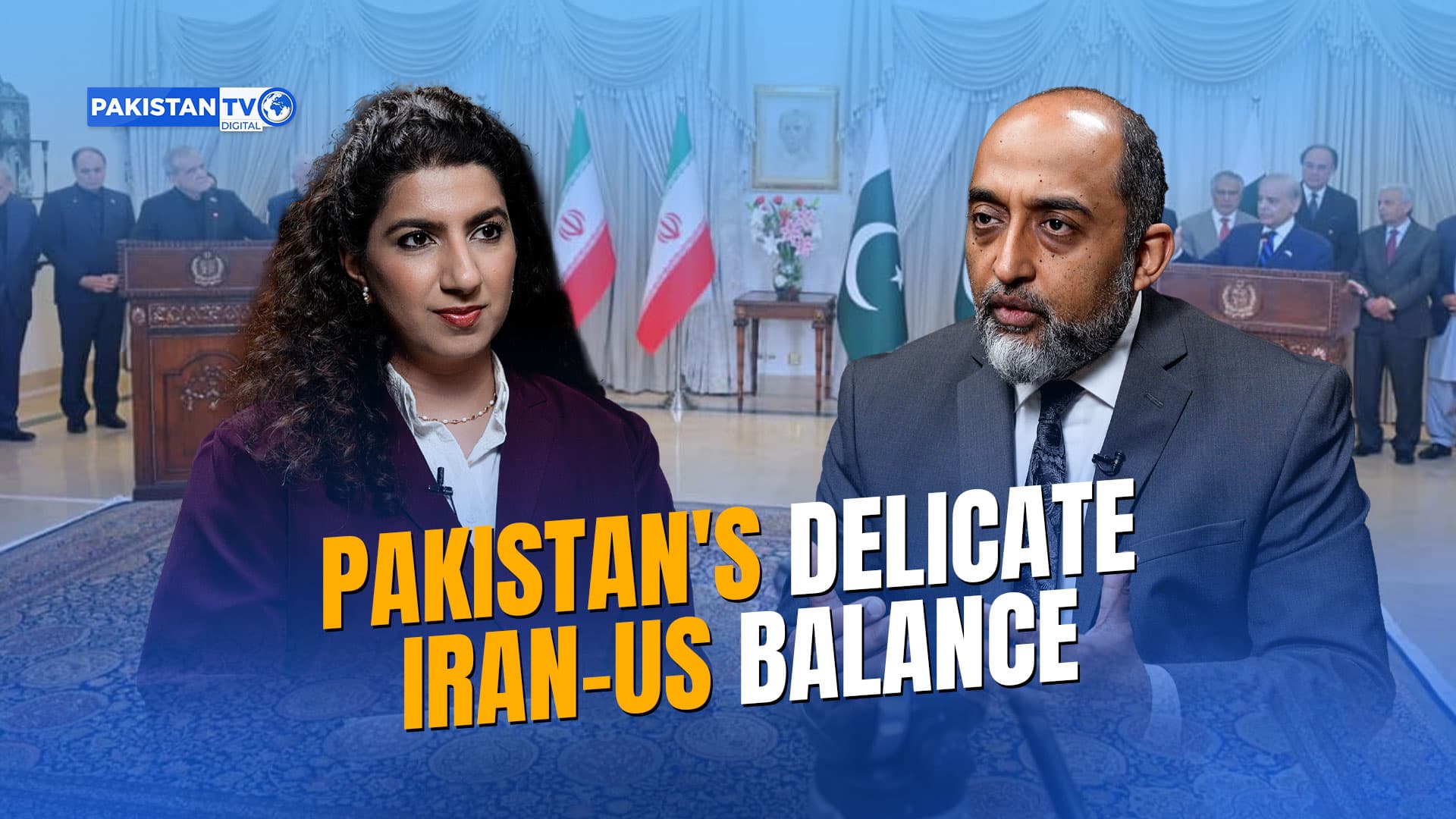
Pakistan had emerged as a "peacemaker" on the global stage, the PM said in his address, crediting Islamabad's mediation efforts, backed by "brotherly countries", for helping secure the signing of the Islamabad Memorandum of Understanding (MoU) between the United States and Iran.
He said Iranian President Masoud Pezeshkian's recent visit to Pakistan reflected both the close bilateral relationship and Tehran's recognition of Islamabad's role in promoting regional peace.
The PM also paid tribute to Chief of Defense Forces and Field Marshal Asim Munir for "his untiring efforts to bring all parties together to follow the path of peace and tranquillity."
The prime minister also reiterated that Pakistan would continue to advocate for the causes of the people of Kashmir and Palestine.
He said that his address was taking place "in the backdrop of monumental global developments that are affecting our lives in ways unimaginable before."
Strengthening the navy
Highlighting the importance of maritime security, the prime minister said the government remained committed to strengthening the Pakistan Navy as "a potent and effective force" capable of safeguarding national defense and contributing to stability across the wider maritime region.
He praised the navy's role during Marka-e-Haq last year, saying it had successfully denied a "numerically superior adversary" access to its operational area throughout the conflict.
He also lauded Operation Mahafiz ul Behr, saying it ensured the uninterrupted flow of critical energy supplies to Pakistan's ports despite a challenging regional security environment, according to Radio Pakistan.
Addressing the graduating cadets, he urged them to uphold the legacy of Pakistan's naval heroes through professionalism, courage, and dedication.
The premier ended his address by welcoming cadets from Turkiye, Bahrain, Bangladesh, Iraq, Sri Lanka, and Djibouti, saying he hoped their training in Pakistan would strengthen lasting ties between their countries and Pakistan.