


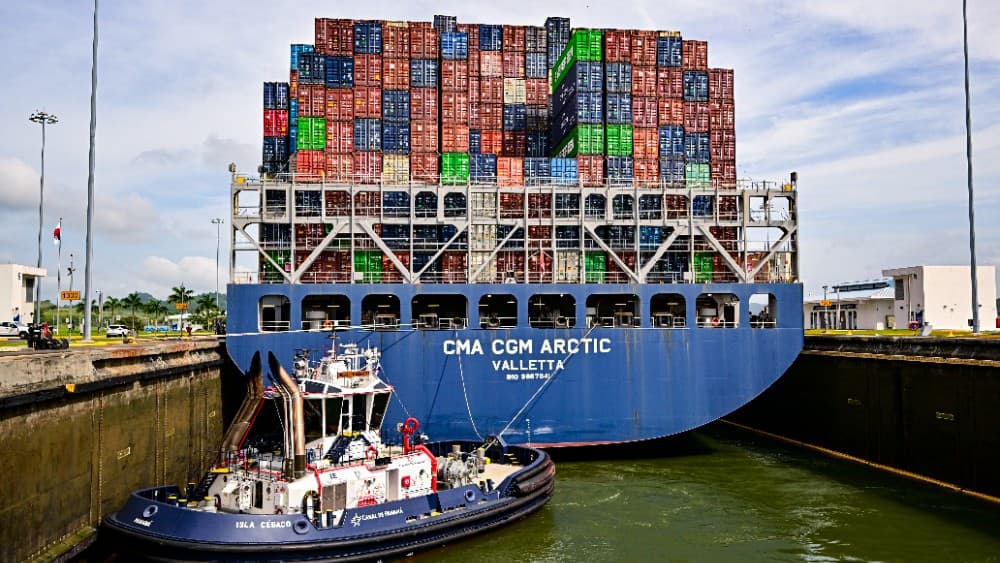
ISLAMABAD: The Panama Canal faces a fresh threat from a worsening El Niño-driven drought, with authorities warning they may impose further restrictions on ship traffic if rainfall remains below normal over the coming months.
The warning came from the Panama Canal Authority after the government declared a nationwide state of emergency over El Niño on Aug 26.
The authority's new administrator, Ilya Espino de Marotta, who took charge on Monday, told the French news agency AFP that it could tighten restrictions again if the drought does not subside.
The warning has raised concerns about renewed disruptions to global trade, shipping costs and supply chains at a time when maritime routes are already under pressure from conflict in the Middle East.
The Panama Canal Authority has already begun reducing the number of vessels allowed to pass through the strategic waterway.
Daily crossings have been reduced from 36 to 34 ships, while the limit will fall to 32 vessels from Sept 15 as part of water conservation measures.
Water shortage threatens canal operations
The 80-kilometer canal depends entirely on freshwater stored in Gatun and Alajuela lakes to operate its lock system, which lifts and lowers ships between the Atlantic and Pacific oceans. Every transit uses millions of liters of freshwater, making the canal highly vulnerable to prolonged dry weather.
Panama's new chief, Espino, said, “Rainfall during September, October and November will determine whether authorities need to tighten restrictions further in January, February or March.”
Officials say rainfall in the canal's watershed has been about 34% below the historical average in recent months, while water inflows into the reservoirs have also fallen sharply because of the strengthening El Niño weather pattern.

Panama Canal Water Manager Erick Córdoba told the Costa Rica-based English-language newspaper Tico Times, “Water is the most important resource for operations.”
He said that rainfall in the canal basin between April and August was nearly 36% below the historical average, with “no signs of recovery in the short term.”
Former Panama Canal Administrator Jorge Quijano also told Tico Times, “If we don't manage to fill the lakes in November, we're going to have to tighten our belts.”
Quijano said that lower water levels would force authorities to reduce ship drafts and potentially impose stricter transit limits.
Global trade faces another bottleneck
The Panama Canal handles around 5% of global maritime trade and serves as one of the world's busiest shipping corridors. It significantly shortens travel between Asia, the Americas and Europe by allowing ships to avoid the long voyage around South America's Cape Horn.
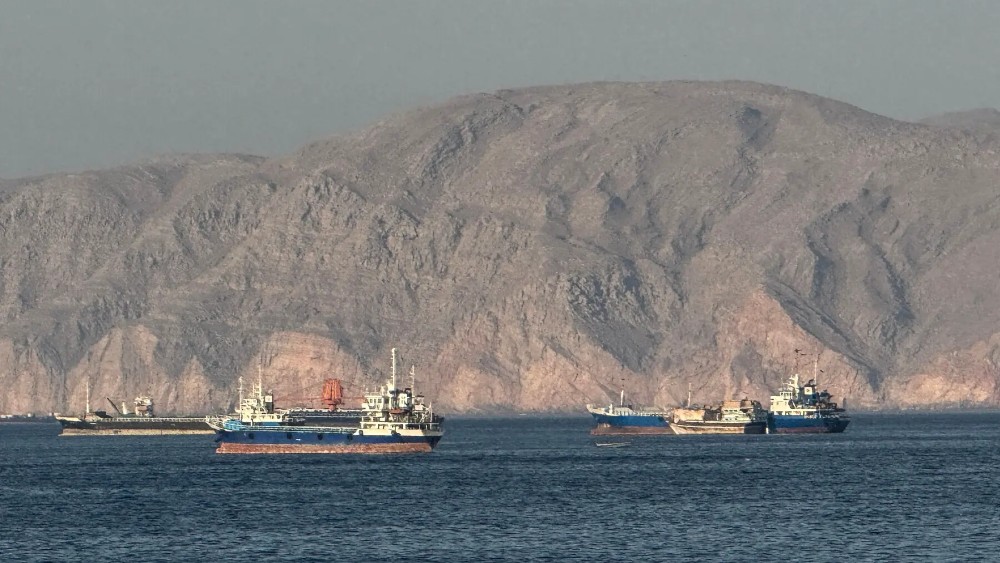
Shipping companies are already dealing with disruptions in the Strait of Hormuz and the Red Sea due to regional conflicts.
Analysts say reduced capacity at the Panama Canal could create another major bottleneck, delaying deliveries of consumer goods, food, automobiles and energy supplies.
Shipping costs expected to rise
The prospect of fewer transit slots has intensified competition among shipping companies. Large vessels have previously paid more than one million dollars in auctions to secure priority passage through the canal during periods of congestion.
Industry experts warn that reduced crossings could lead to higher freight rates, longer waiting times and increased insurance and fuel costs.
Climate change increases drought risk
Canal authorities say climate change is making severe droughts more frequent, with dry years now occurring every few years instead of once in a generation.
The current El Niño event is forecast to be among the strongest on record, raising fears of another prolonged water crisis similar to 2023, when daily transits dropped to just 22 ships.
The World Meteorological Organization said there is a near-100 % probability that El Niño will persist into early 2027 and could become very strong or exceptional, increasing the risk of drought in Panama.
To address the long-term problem, Panama is developing the Rio Indio reservoir project, designed to provide additional water for canal operations and drinking supplies for more than half of the country's population. However, the multi-billion-dollar project is expected to take five to six years to complete.