


GENEVA: The United Nations on Wednesday decried a "deafening" international silence over Afghanistan's deepening rights and humanitarian crisis and demanded a halt to forced returns to the country.
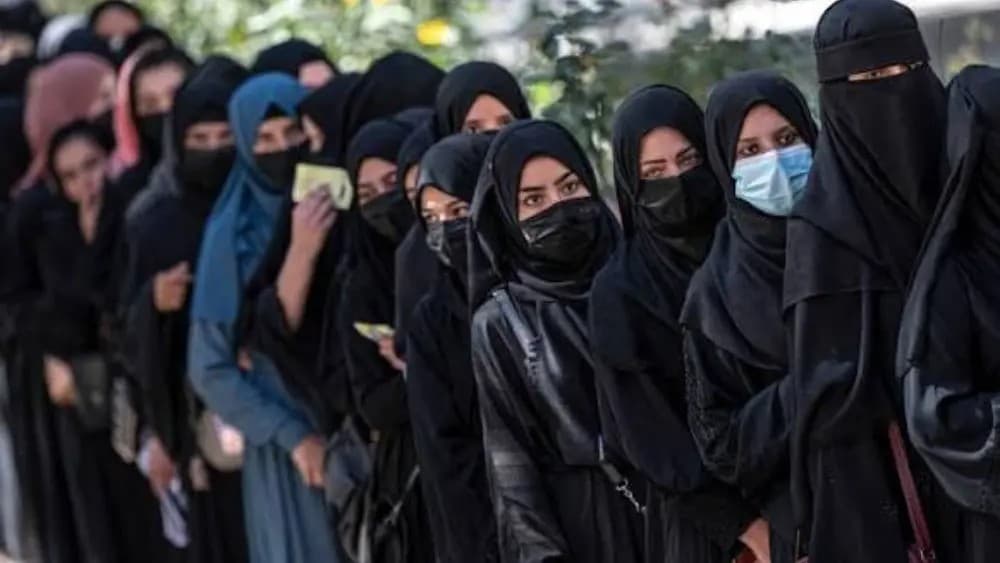
Countries must renew efforts to pressure Afghanistan's Taliban government to end a raft of oppressive restrictions imposed on women and girls in particular, UN rights chief Volker Turk said in a statement.
"Today, the plight of many in Afghanistan is going from bad to worse," he said.
"Millions are mired in poverty, respect for basic human rights continues to deteriorate as hundreds of thousands are being returned against their will" from countries where they sought refuge, he added.
"Yet, it seems the world has forgotten and abandoned the people of Afghanistan to a plight deepening by the day. The silence is deafening."
Under the Taliban, women are banned from public places, including parks, and from most jobs, while education for girls beyond age 12 is outlawed.
Around 2.4 million girls in Afghanistan have been denied access to secondary education since the Taliban returned to power in 2021, according to the UN.
Turk warned that fresh decrees this year were making "it more difficult for a woman to separate from a spouse, and implicitly authorize child marriage and violence against women and children."
"Such restrictions imposed on women and girls—which amount to gender apartheid—have no place in any society."
The UN rights office also highlighted numerous arrests of both men and women by the Taliban over alleged violations of restrictions such as dress code, beard length, and playing or listening to music.
At least 449 men and women had been subjected to corporal punishment in just the first half of this year, it found.
It pointed to violations against religious minorities, former government officials, and former members of the country's defense and security forces.
Turk complained that forced returns to Afghanistan were continuing despite the horrific rights situation and as "foreign aid flows have trickled dry, compounding the misery."
According to the UN refugee agency, more than 400,000 Afghans have been forcibly returned so far this year, mainly from Iran and Pakistan, but also from several European Union states.
"I implore all states to reconsider their actions, and to put the lives of the suffering population first," Turk said.