


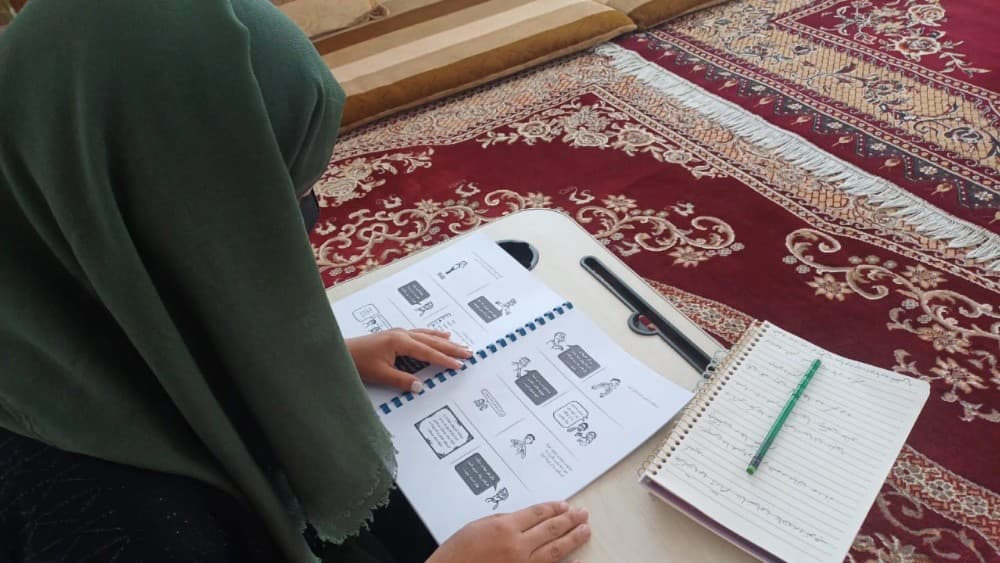
ISLAMABAD: Afghanistan’s literacy rate stood at just 37.3% in 2022, with women significantly less likely than men to be able to read and write, according to a United Nations report.
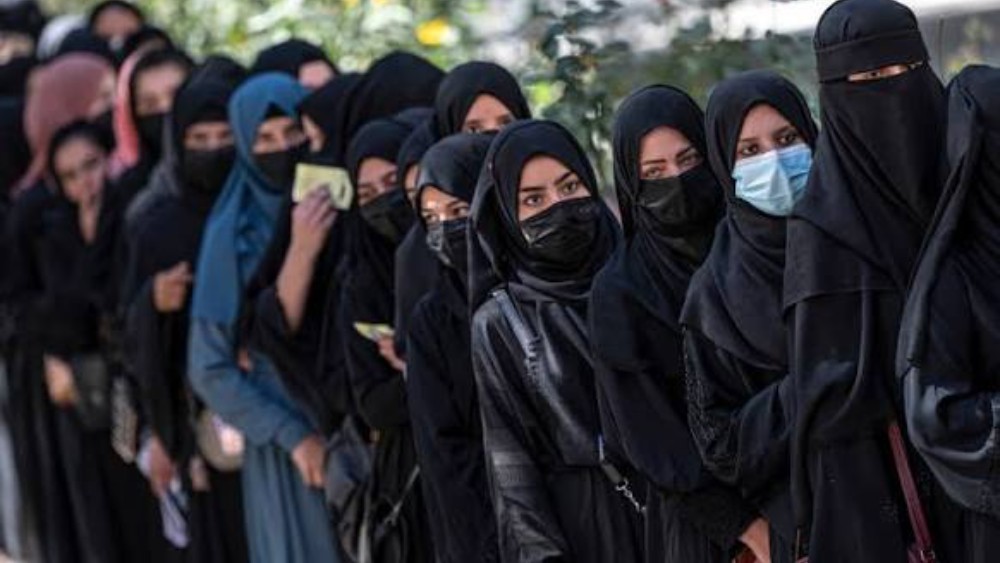
According to UNESCO data cited by the United Nations Assistance Mission in Afghanistan (UNAMA), literacy stood at 22.6% among Afghan women compared with 52.1% among men.
The report was released on International Literacy Day, observed annually on Sept 8.
UNESCO proclaimed the day in 1966, following a 1965 World Congress of Ministers of Education on the Eradication of Illiteracy in Tehran. The annual observance highlights the importance of literacy, which UNESCO recognizes as fundamental to human development and participation in social and economic life.
The UN said decades of conflict and instability have severely disrupted progress in literacy and education in Afghanistan, where efforts to improve basic reading and writing skills continue despite difficult socio-economic conditions.
UNAMA highlighted the experiences of Afghans who have gained literacy skills through community classes and radio-based programs.
In Ghor province, 38-year-old Fariba said learning to read and write had enabled her to read signs and medicine labels, write her name and assist her children with schoolwork.
In eastern Laghman province, 28-year-old Bibi Zarghona learned through a radio-based literacy program after struggling with everyday tasks such as providing her identification number and shopping.
"Literacy is not just about books. It is a doorway to ease, confidence, and new opportunities," she said.
Seventeen-year-old Mohammad Rahman, from remote Paktia province, also credited radio lessons with strengthening his literacy skills and helping him gain knowledge that he could use to advise others.
Literacy efforts being supported
The UN said UNESCO has supported literacy programs in Afghanistan for decades. Since 2014, it has worked with the education ministry on a youth and adult literacy and basic education program, which provides learning materials and assessment tools across three levels equivalent to Grades 1 to 9.
The program continues to support literacy efforts through public institutions and community-based mechanisms nationwide.
The theme for this year's International Literacy Day, "Literacy for People, Planet and Prosperity," emphasized how literacy enhances individual lives, strengthens communities, and supports a sustainable future, according to the United Nations.