


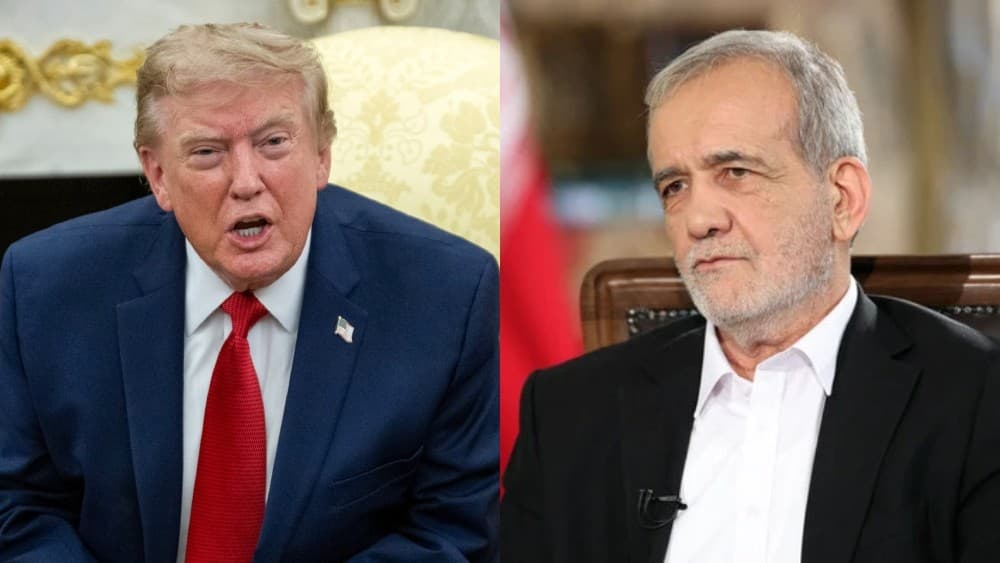
ISLAMABAD: US and Iranian officials have confirmed the reopening of a diplomatic channel on the sidelines of the United Nations General Assembly in New York, where mediators such as Pakistan and Qatar shuttled between the two sides, seeking a possible way out of a prolonged Washington-Tehran war.
A Middle Eastern TV channel quoted the US special envoy Steve Witkoff as saying that American officials held “lengthy talks with the Iranian delegation through the mediators” on Tuesday.
Iranian Foreign Ministry spokesman Esmaeil Baqaei confirmed that the New York interaction took place through Qatari mediation.
“The Iranian delegation conveyed its views and conditions to the American side very clearly and explicitly through the mediators,” Baqaei said, according to Iranian media.
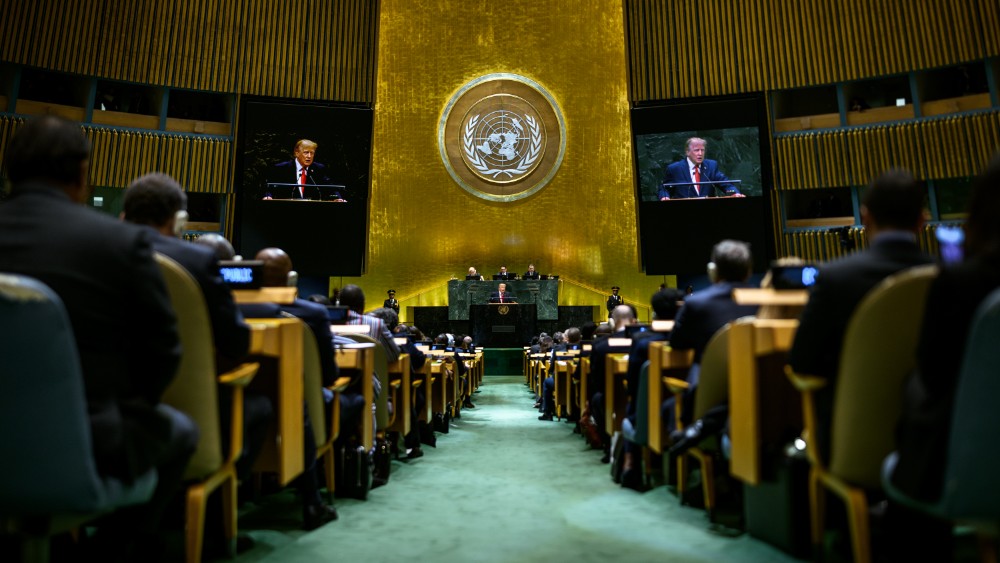
US President Donald Trump and his Iranian counterpart, Masoud Pezeshkian, delivered sharply contrasting speeches at the UN, highlighting the big differences between the two governments while also leaving the door open to negotiations.
Trump subsequently described the discussions as productive and said that there was “a lot of momentum” toward a possible deal.
Pakistan’s diplomatic role
UN Secretary-General António Guterres' spokesperson said that the secretary-general was “very grateful and appreciative” of Pakistani leadership's efforts to mediate between Iran and the United States, describing Pakistan's role as “critical.”
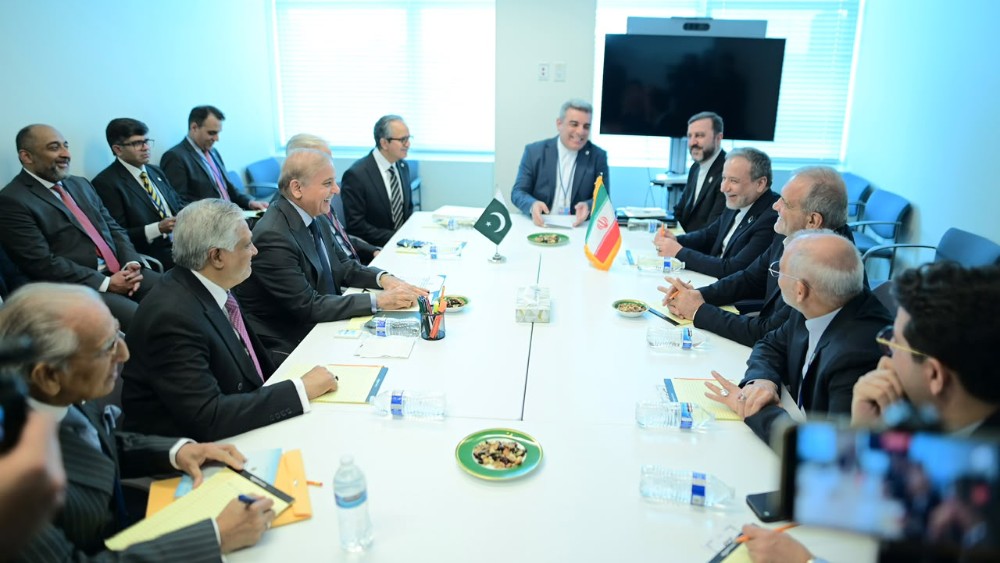
Prime Minister Shehbaz Sharif met Pezeshkian in New York and stressed implementation of the Islamabad Memorandum of Understanding. Pezeshkian, according to the Pakistani prime minister, said the agreement remained “fully acceptable” to Tehran.
Foreign Minister Ishaq Dar also met Iranian Foreign Minister Abbas Araghchi in New York, with Pakistan stressing dialogue, diplomacy and sustained engagement.
Narrow diplomatic opening
Despite recent contacts and mediation between the US and Iran, analysts believe there is still much to do to bring the two countries closer.
The Council on Foreign Relations' Steven Cook said that the New York diplomacy represented an effort to determine whether negotiations could be restarted.
"I think that there’s a lot of maneuvering that’s going on," Cook said during a CFR briefing as reported by the organization's website.
"The rhetoric of 'deal or annihilation' could be part of Trump's strategy for setting the negotiating field," he added.
Hormuz at heart of talks
The Strait of Hormuz is one of the central issues of the recent talks.
“Iran has indicated that it could reopen the strategically vital waterway if Washington reduces military pressure and lifts its blockade on Iranian ports,” reported a British news agency.
The issue is crucial not only for the two sides but also for global energy markets.
A senior Iranian official told the news agency that Tehran and Washington remained “far apart” over how to end the war, although diplomacy had to continue.
According to the International Crisis Group, the central disputes between the US and Iran are Tehran's nuclear program, the Strait of Hormuz, and relief from US sanctions.
Fiery speeches
In his speech on Sept 22, Trump told the UN General Assembly that Washington faced a major decision over Iran, warning that the alternative to an agreement could be devastating.
“There is a big decision to make,” Trump said, while warning that Iran could be driven “into hell” if it refused a settlement.
Yet Trump also indicated that he believed a settlement remained possible, saying Iran's leaders would eventually have to decide whether to negotiate.
Iranian President Masoud Pezeshkian struck a similarly complex tone, rejecting what he described as American intimidation.
But he made it clear that Tehran remains committed to diplomacy.
In his speech at the UNGA on Sept 23, Pezeshkian said Iran sought peace and stability but that a single standard must be employed for everyone.
“Iran does not seek special treatment. We seek equal rights,” he said.
He added that Tehran was prepared to pursue dialogue and negotiations but would not accept pressure backed by military force.
“We are ready for dialogue and diplomacy and negotiations without accepting the language of force.”