


ISLAMABAD: Pakistan’s Information Minister Attaullah Tarar said Thursday that Pakistan carried out “precision aerial and drone strikes against 10 locations in Afghanistan” after its air defense systems detected and neutralized eight drones launched from Afghan territory.
Tarar said the strikes were carried out in exercise of Pakistan’s “sovereign right to self-defense”, with the targeted locations used to launch and store the drones involved in hostile operations against Pakistan.
“The strikes were deliberate, precise, calibrated and proportionate and strictly limited to identified military objectives directly linked to the attempted attacks against Pakistan,” Tarar said in a post on X.
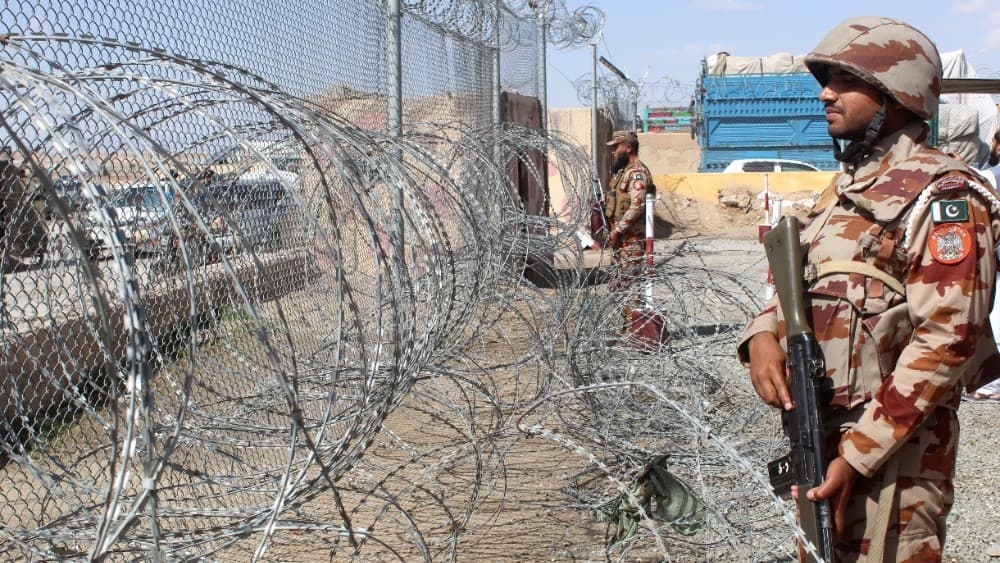
The latest escalation follows a series of security incidents along Pakistan’s western border, including reported drone incursions and cross-border firing.
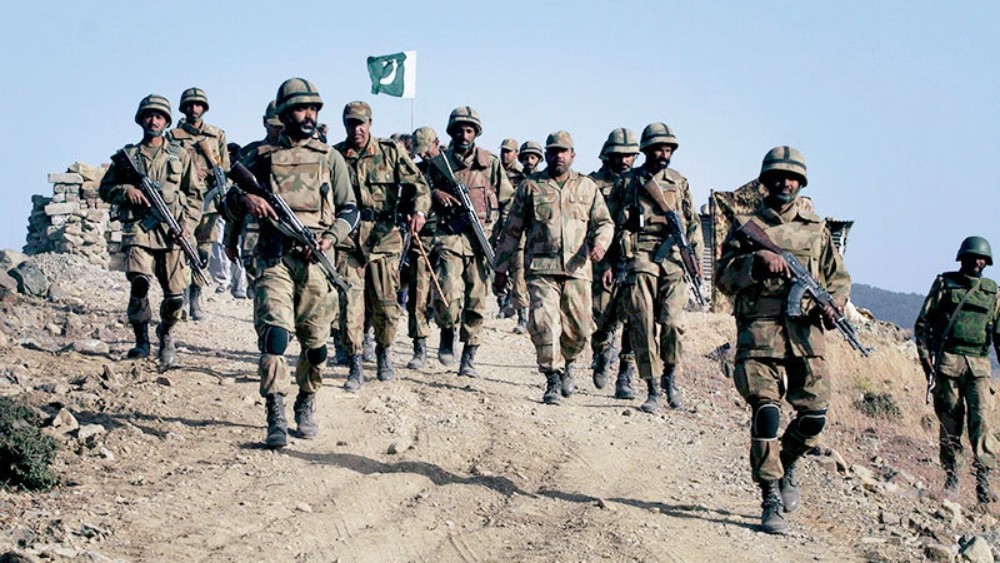
Pakistan’s armed forces shot down eight drones on Wednesday that Islamabad said were launched by the Afghan Taliban regime. The reported incursions came a day after Pakistani security forces responded to unprovoked firing from Afghan positions in the Kurram sector.
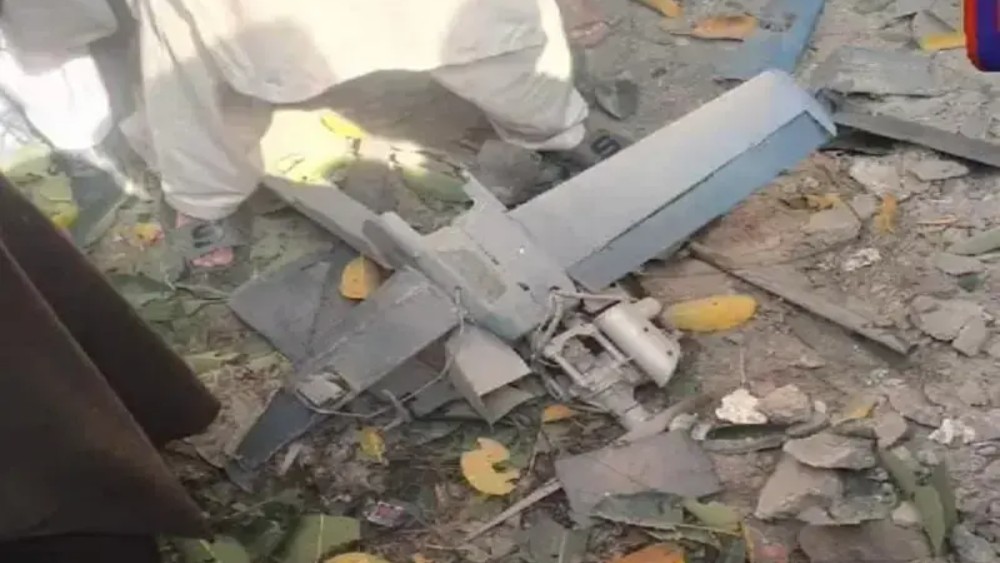
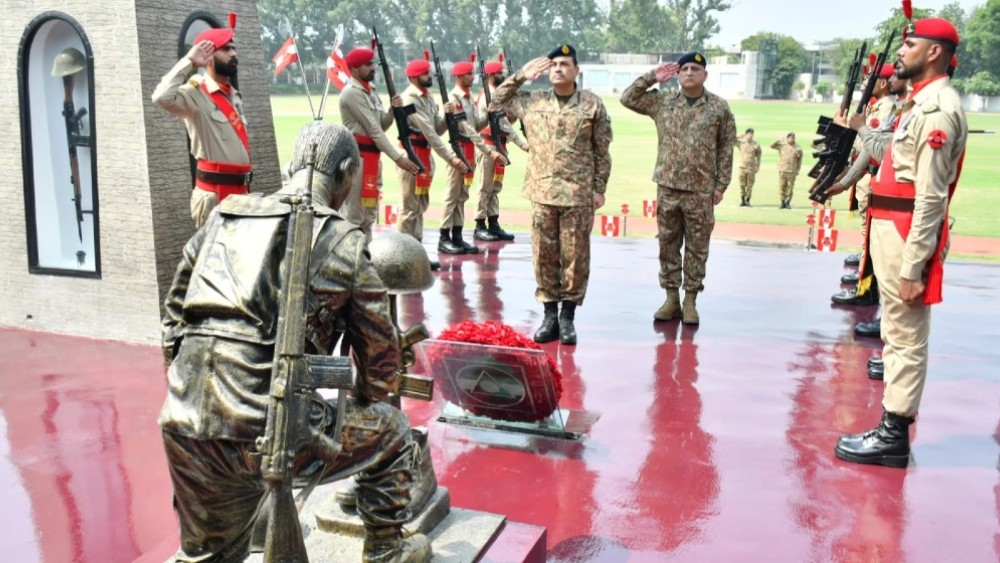
Tarar described the drone incursions as a “deliberate and unlawful incursion” and a “blatant violation” of Pakistan’s sovereignty and territorial integrity.
Pakistan’s air defense systems “detected, tracked and neutralized” all the drones before they could reach their intended targets, he said.
‘Neither accept nor tolerate attacks’
Tarar said Pakistan had repeatedly conveyed its concerns to the Afghan Taliban regime and its interlocutors over the continued presence of terrorist sanctuaries and support networks on Afghan soil.
He said that instead of dismantling those networks and taking action against groups using Afghan territory to carry out attacks, the Taliban regime had escalated the situation through what he called hostile drone operations against Pakistan.
“Pakistan will neither accept nor tolerate attacks launched from Afghan territory, whether by terrorist groups or by the Afghan Taliban regime itself,” Tarar said.
He warned that any violation of Pakistan’s sovereignty would draw an “immediate and decisive response.”
“Threats, denials or attempts to deflect responsibility by Afghan Taliban will neither alter the facts nor constrain Pakistan’s inherent right to defend its territory, its people and its national security,” he said.
Tarar called on the Taliban regime to “immediately cease all hostile activity against Pakistan” and fulfill its international obligations by taking “effective, concrete, verifiable and sustained action” against terrorist entities operating from Afghan soil.
“Afghan territory must not be used to launch attacks or conduct hostile operations against Pakistan,” he said.
At the same time, the minister said Pakistan did not seek escalation and remained committed to regional peace, dialogue and constructive engagement.
“This commitment must not be mistaken for weakness or an unlimited tolerance of hostile actions,” he said.
“Pakistan will defend its sovereignty, territorial integrity and the lives of its citizens with full resolve and will take all necessary measures to protect them.”
Kohat attack
The latest confrontation comes days after the deadly attack on a mosque inside Kohat’s Old Police Lines, which killed at least 22 people and injured more than 100, according to hospital officials.
Pakistan’s Information Ministry subsequently called on the Afghan Taliban to dismantle terrorist sanctuaries and their recruitment and support networks in Afghanistan.
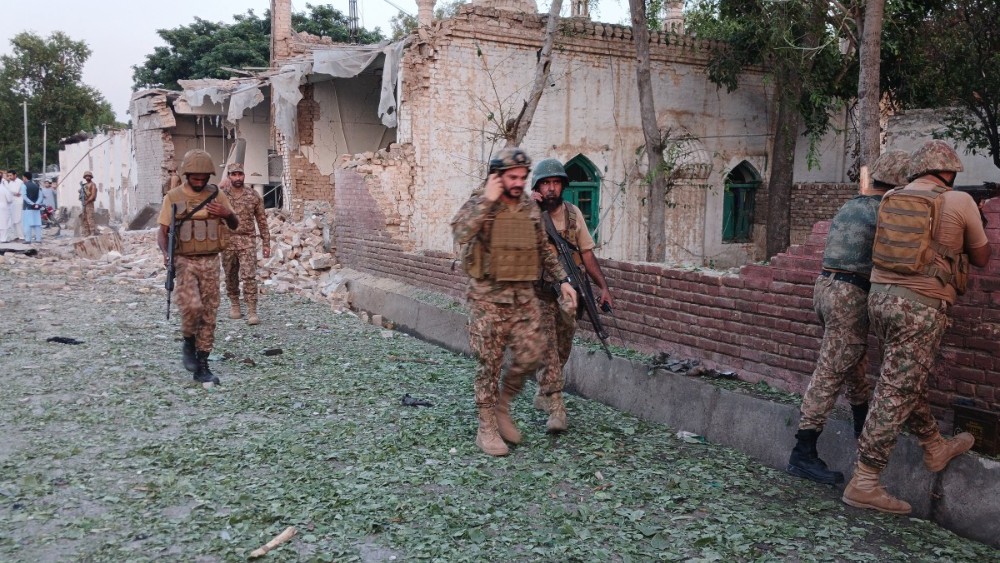
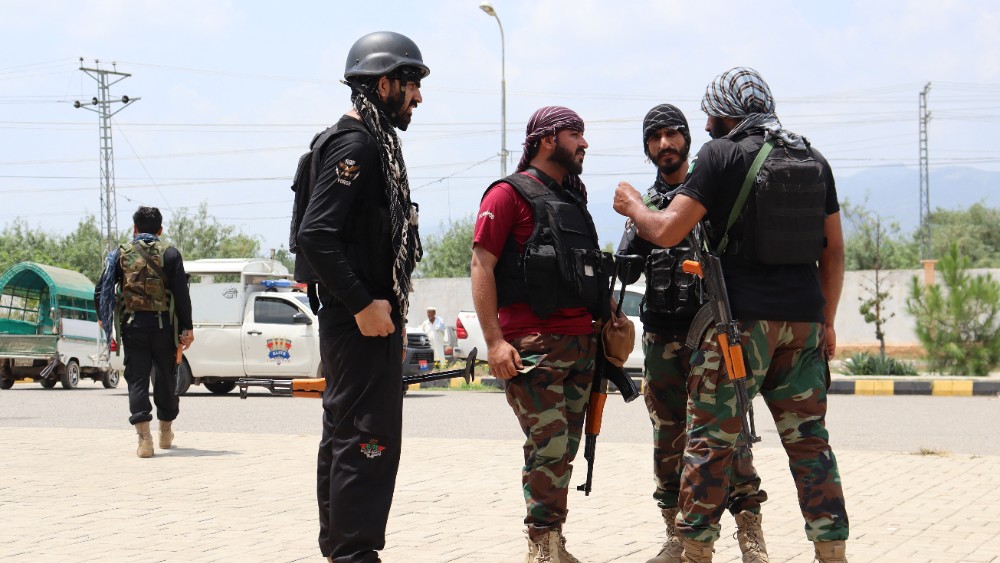
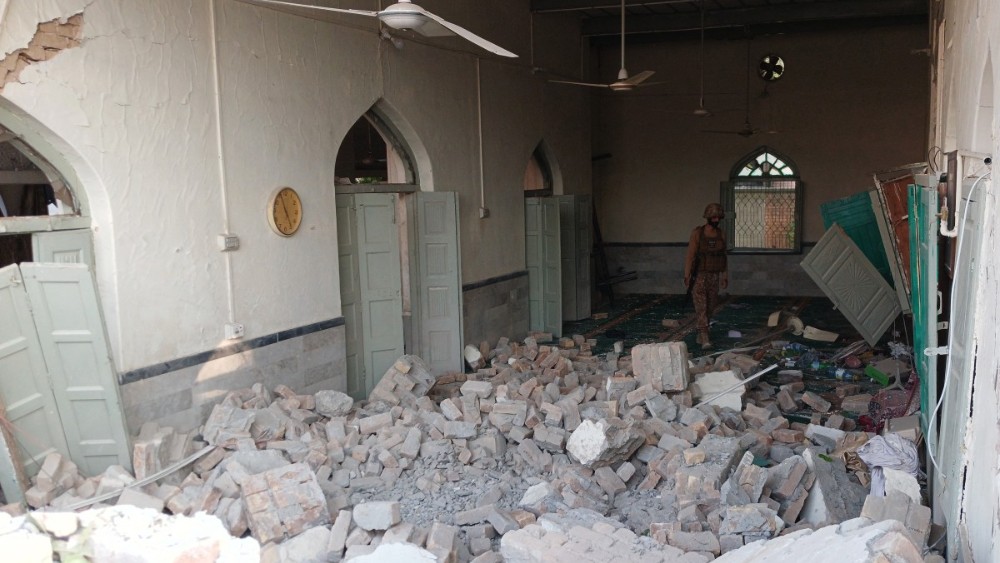
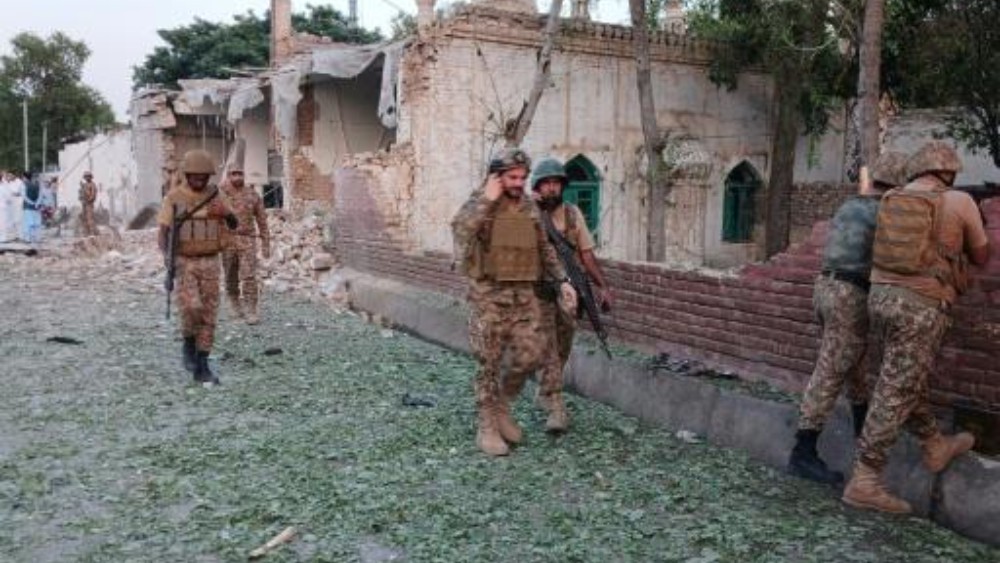
The ministry said Pakistan had repeatedly raised concerns over the use of Afghan territory by Fitna al-Khwarij and other terrorist groups, and demanded “credible, verifiable and sustained measures” to prevent attacks against Pakistan.
It also said Pakistan had the “will and capability” to eliminate terrorist threats and would take all necessary measures, in accordance with international law, to protect its citizens, territory and sovereignty.
Terrorism central to Pakistan-Afghanistan ties
The latest escalation has further sharpened Pakistan’s longstanding security dispute with the Afghan Taliban over cross-border terrorism.
Pakistan has repeatedly maintained that terrorist groups operating from Afghan territory pose a security threat and has called on Kabul to prevent its territory from being used for attacks against Pakistan.
Foreign Office spokesperson Ambassador Sajjad Haider Khan said earlier this month that Pakistan considers support and abetment by elements in Afghanistan, including the Taliban regime, an external dimension of the terrorism challenge facing Khyber Pakhtunkhwa and Balochistan.
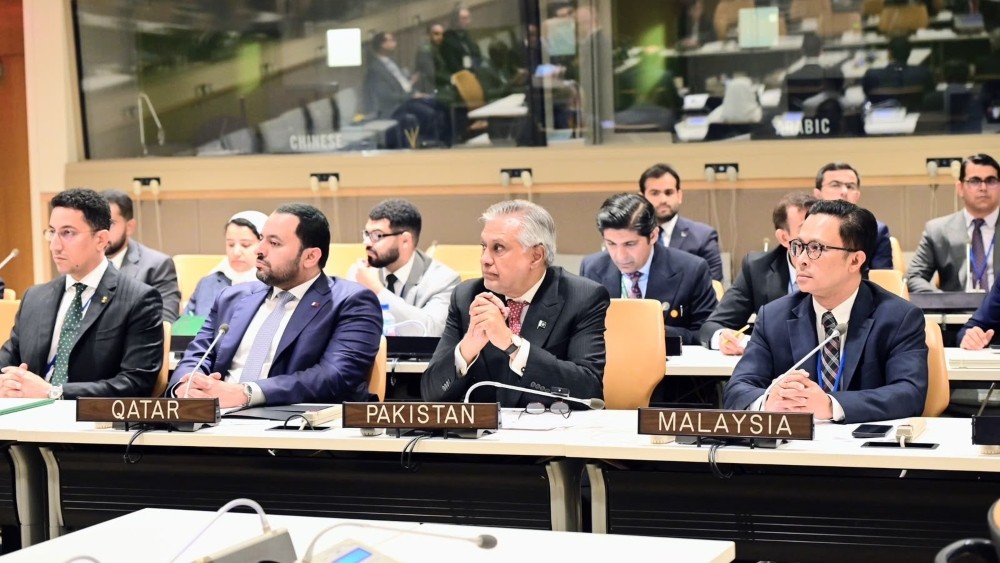
Islamabad has also said its efforts to engage Afghanistan through direct talks and mediation by countries including Qatar, Türkiye and China have not produced the desired results, maintaining that terrorism emanating from Afghan territory must stop.
Pakistan refers to the Tehreek-e-Taliban Pakistan and affiliated networks as Fitna al-Khwarij, a designation used to emphasize the group’s opposition to the Pakistani state.