


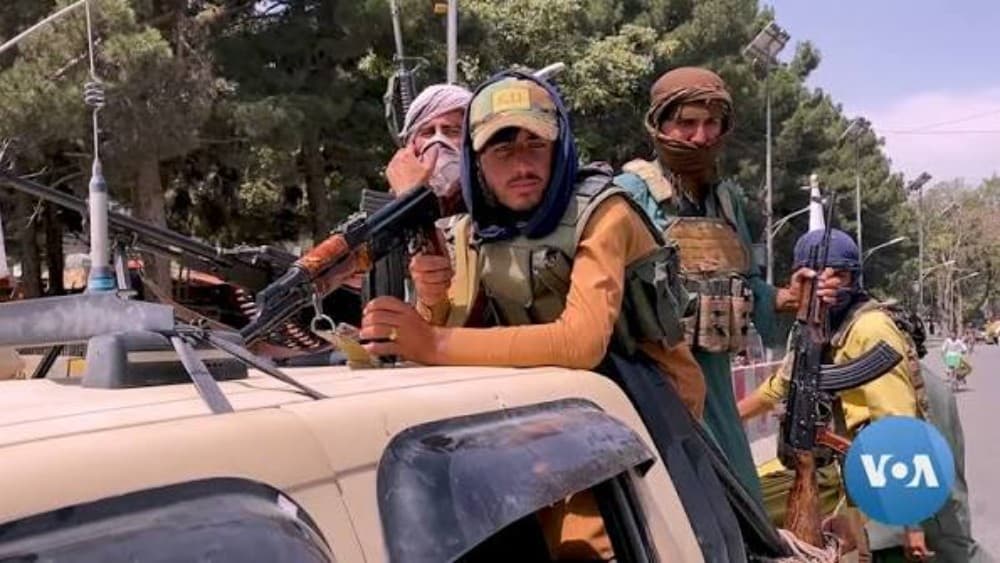
ISLAMABAD: The Taliban have recruited 547 new personnel across seven Afghan provinces, most of them bordering Pakistan, while similar recruitment campaigns are underway in another 11 provinces, according to Afghan media.
The recruitment drive comes as anti-Taliban armed groups have stepped up claims of attacks in several parts of Afghanistan, prompting renewed attention to the security situation nearly five years after the Taliban returned to power.
The media office of the Taliban Army Chief of Staff said the newly recruited personnel had been sent to the Hazrat Abdullah bin Masoud Joint Combat Training Command to undergo military and specialist training.
According to Afghan International, the Taliban have concentrated much of their latest recruitment campaign in strategically important border provinces, including Kandahar, Badakhshan, Khost, Kunar, Logar, Zabul, Paktia, Paktika, Nuristan, Nangarhar and Nimroz, many of which share borders with Pakistan.
The recruitment campaign coincides with a series of reported attacks claimed by anti-Taliban resistance groups operating in different parts of the country.
About two weeks ago, the recently formed Sepah-e-Mihan Front claimed it had briefly driven Taliban fighters from Yaftal district in Badakhshan province. The claim could not be independently verified.
The Afghanistan Freedom Front has also reported clashes with Taliban forces in Zebak district of Badakhshan, while the National Resistance Front has claimed attacks targeting Taliban personnel in Kuran wa Munjan district. Those claims have not been independently confirmed.
In a separate development, the United Front of Afghanistan, led by former Afghan Special Forces commander Sami Sadat, announced the launch of military operations against the Taliban.
According to the group, its opening phase included attacks targeting Taliban personnel in Kandahar, Helmand and Badghis provinces. The Taliban have not publicly commented on the group's operational claims.
Taliban spokesman Zabihullah Mujahid acknowledged the activities of armed opposition groups but dismissed them as an existing phenomenon rather than a new security challenge.
"These groups existed before and are now operating from outside Afghanistan," Mujahid said, adding that the Taliban would "not allow them to expand their activities inside the country."
Although the Taliban continues to exercise firm control over Afghanistan's state institutions and security apparatus, the simultaneous expansion of its recruitment campaign and the increasing number of attacks claimed by resistance groups underscore the evolving security landscape, even as many battlefield claims remain difficult to verify independently because of limited access and restrictions on reporting inside Afghanistan.