


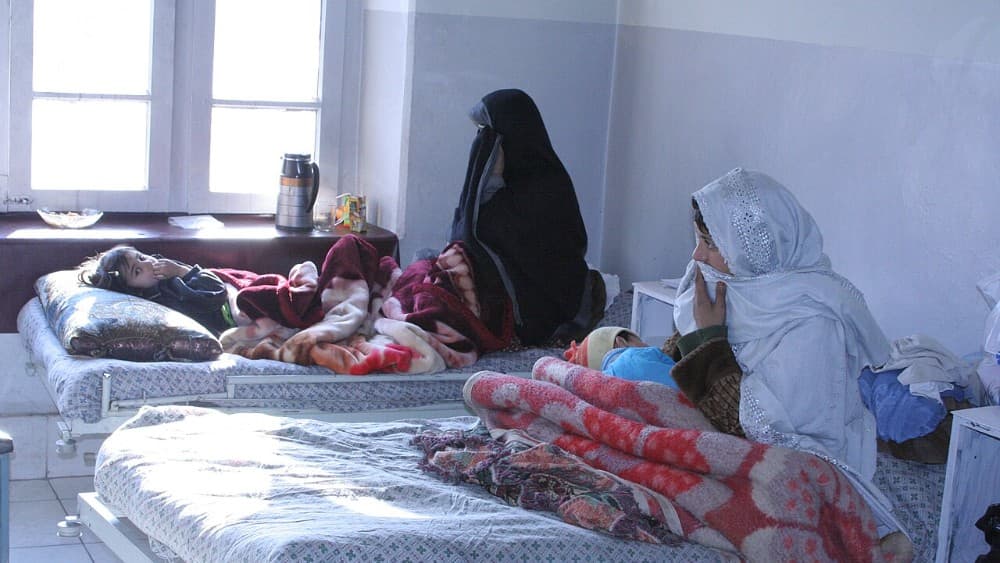
ISLAMABAD: Afghanistan is facing a growing cancer burden, with at least 1.5 million people currently suffering from the disease and about 50,000 new cases reported each year, according to figures released by the Afghanistan Cancer Foundation.
The figures come from Afghanistan’s Ministry of Public Health and international organizations.
Shafiq Shinwari, head of the Afghanistan Cancer Foundation, said breast and uterine cancers are among the most common forms of cancer affecting Afghan women in the country. Among men, lung, stomach, prostate and colon cancers are widespread, he said.
Shinwari said cancer is the second-leading cause of death in Afghanistan after heart disease.
Cancer specialist Dr Rahim Gul Darwish said smoking and tobacco use, poor hygiene and unhealthy diets are among the major factors contributing to the spread of the disease.


Afghanistan has dozens of cancer treatment centers, according to Sharafat Zaman Amarkhail, a spokesperson for the Ministry of Public Health. But he acknowledged that many facilities lack modern equipment and other resources needed to provide comprehensive cancer treatment.
The healthcare system has also been strained by the departure of hundreds of medical specialists and health care workers since the Taliban returned to power, according to reports.
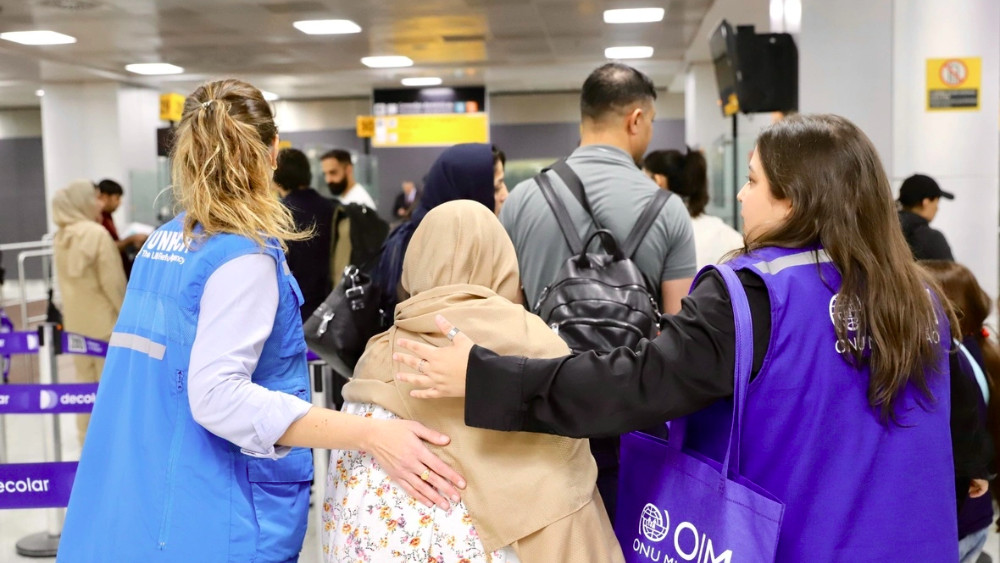
For many Afghan cancer patients, seeking treatment abroad has also become increasingly difficult.
Doctors say cancer treatment often requires continuous care, regular monitoring and access to specialists. The shortage of medical facilities and trained personnel is increasing the risks faced by patients who need urgent and long-term treatment.
A worsening cancer crisis is exposing deep gaps in Afghanistan’s health system, where shortages of medical specialists and equipment are compounded by Taliban restrictions on women working, leaving some hospitals without enough female health workers to meet the needs of women patients.
Health officials and cancer specialists have called for greater access to diagnostic services, modern treatment equipment and specialized medical care as the number of cancer cases continues to rise.