


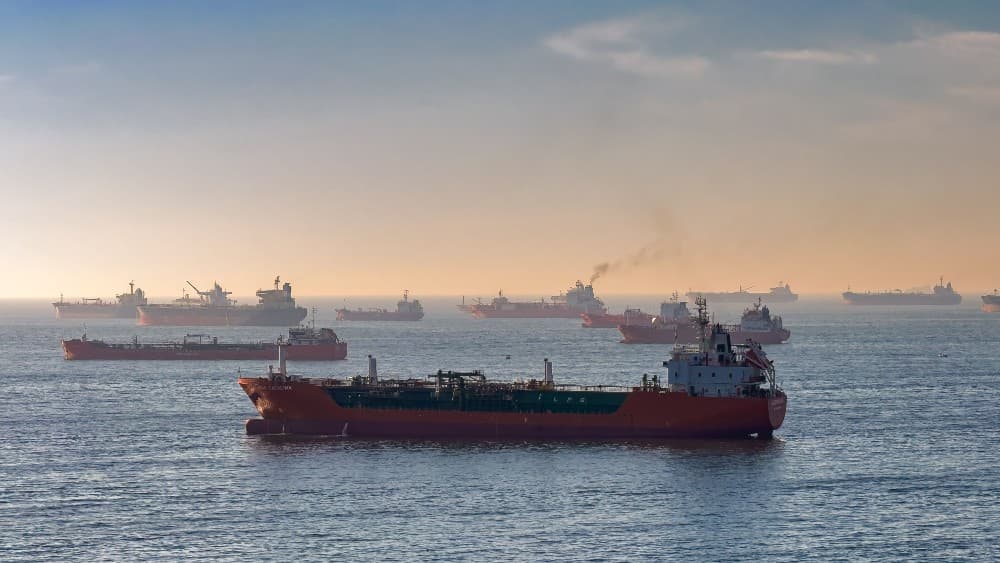
ISLAMABAD: The escalating US-Iran conflict and Ukrainian attacks on Russian refineries are causing a global shortage of fuel oil for ships and power plants, raising fears of higher shipping costs and fresh disruptions to global trade.
Industry analysts warn that fuel oil supplies are becoming critically tight as wars in the Middle East and Ukraine disrupt refinery operations and tanker traffic, while refiners shift production toward more profitable fuels such as diesel, gasoline and jet fuel.
“Wars definitely affect fossil fuel production and transportation, which leads to a shortage of the commodity,” said Pakistan’s former secretary of petroleum, Dr Gul Faraz, while talking to Pakistan TV Digital.
“Oil producers and exporters resort to hoarding their products and wait for an increase in prices,” explained Dr Faraz.
Valerie Panopio, an analyst at Rystad Energy, said that due to the protracted supply disruption in the Middle East, fuel oil supply is expected to be critically tight in the third quarter of 2026.
Asia faces the biggest impact
The shortage is expected to widen significantly during the third quarter of 2026.
Consultancy Energy Aspects forecasts a global fuel oil deficit of 218,000 barrels per day, compared with a marginal shortfall of just 6,000 barrels per day during the same period last year.
Asia is considered the most vulnerable region because it relies heavily on fuel shipments from the Gulf, where the US-Iran conflict has disrupted maritime traffic.


Dr Faraz explained that Asia is more dependent on the Gulf countries for its energy needs, which is why the continent is being affected the most by the US-Iran war.
Singapore, the world's largest bunker fuel hub, imports more than half of the nearly 1 million barrels per day of fuel it consumes, making it particularly exposed to supply disruptions.
Analysts at Rystad Energy expect the market to remain under severe pressure as long as disruptions in the Middle East continue.
Russia and Middle East output declines deepen shortage
Ukrainian drone strikes have significantly reduced Russia's refining capacity, pushing Russian fuel oil exports in August to a record low of 591,000 barrels per day, down from an average of more than 860,000 barrels per day in 2025.
Kpler, a leading global data and analytics platform, reports that fuel oil exports from the Middle East have fallen 45% year-over-year between March and August.
Kuwait's Al-Zour refinery, one of the region's largest fuel oil exporters, has shipped only a single cargo since March because of refinery outages, compared with much higher export volumes earlier this year.
Higher shipping costs likely
Analysts say ships taking longer routes to avoid the Red Sea and the Bab el-Mandeb Strait because of regional security threats are consuming more fuel, adding further pressure to already tight supplies.
The combination of disrupted refinery output, reduced exports, and longer shipping routes is expected to increase bunker fuel prices and eventually push up global freight rates, adding to the cost of transporting goods worldwide.